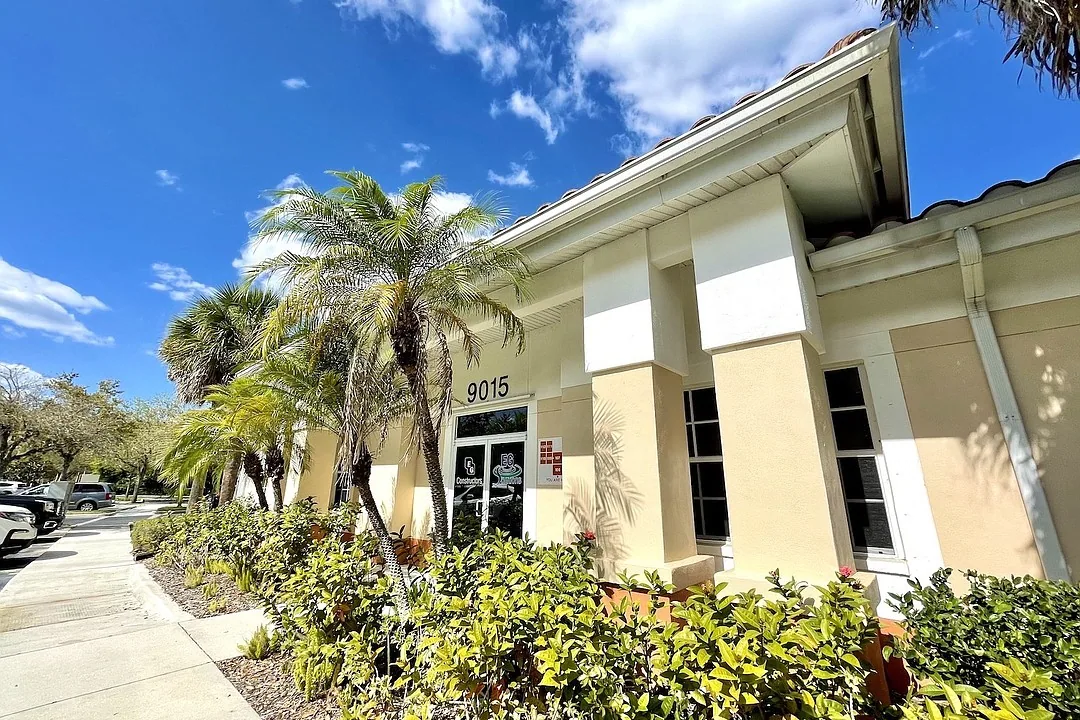
Commercial Roofing in Parkland Hillsboro Boulevard Commercial Corridor, Parkland, FL
|
|
|
Service Areas: | | ● | Commercial Roofing at Coral Springs Commerce Park, Coral Springs, FL | ● | Commercial Roofing in Downtown Coral Springs, Coral Springs, FL | | ● | Commercial Roofing in Coral Springs Central Commercial District, Coral Springs, FL | ● | Commercial Roofing in Margate, FL | | ● | Commercial Roofing in Sunrise, FL | ● | Commercial Roofing in Coral Springs Commercial Districts, Coral Springs, FL | | View All Service Areas |
| Parkland’s commercial centers near Hillsboro Boulevard and State Road 7 include retail and service properties. This corridor is a multi-property service area, not a single center. For each building, we confirm the roof boundary, inspect the installed assembly and trace reported water entry before setting a repair or renewal scope. Access and staging are then arranged with the property’s authorized contact. We photograph roof concerns and separate local repair needs from wider system issues. South Florida’s wet season, heat and tropical exposure affect sequencing: protect materials, limit tear-off and set a firm close-in point before the next shift. Before a larger scope begins, we confirm the intended assembly and the condition of the substrate where access permits. Wet insulation, deteriorated deck areas, incompatible coatings or concealed transitions can change whether a repair, recovery or replacement is appropriate. We state those conditions separately from assumptions, so the owner can see what is known and what needs verification. A useful roof record makes later decisions easier. We label photographs by building and roof area, note the condition of drains and edges, and record repairs that should be monitored. If a replacement is not yet justified, the report can still identify near-term corrections and future checks without turning an isolated defect into a larger unsupported scope. |
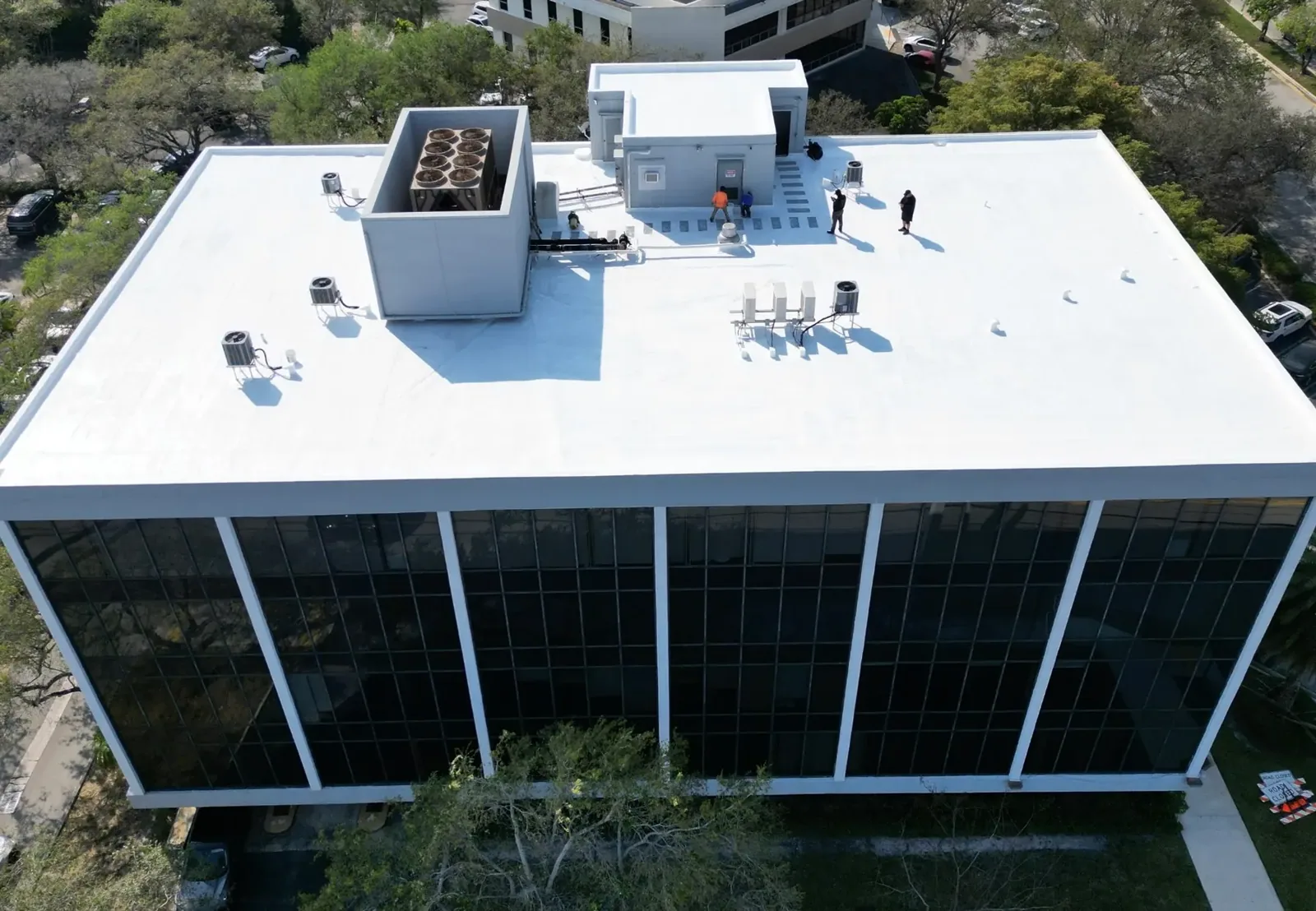
Start with the occupied roof zones | We check edge metal, seams, curb flashing, penetrations and drain bowls, then compare them with interior leak reports. A stain may sit below its entry point or follow a longer path, so the contact’s location, timing and storm information help direct the walk. We mark active conditions and areas needing closer review before setting the repair boundary. Where access is safe, we photograph the transition and note what material touches the failed area. Different roof zones may have different membranes or attachment. If a visual walk cannot settle a moisture question, we identify where a test cut or infrared review would help. A commercial roof inspection records photos and findings. For active entry, a rapid roof response can control immediate exposure before permanent repairs are scoped. That two-step sequence helps protect interiors while keeping the permanent work tied to verified roof conditions. |
Coordinate deliveries and customer movement | Before mobilizing, the site contact confirms truck entry, delivery hours, staging, entrances and pedestrian routes that must remain open. Those limits guide ladder placement and roof access. A restricted loading window may also determine when tear-off, fastening or debris removal can occur. We make sure the agreed drop zone does not displace customer access or interfere with routine receiving. The property contact identifies who can approve a temporary route change and how tenants receive notice before barriers or deliveries move. Before mobilizing, the site contact confirms truck entry, delivery hours, staging, entrances and pedestrian routes that must remain open. Those limits guide ladder placement and roof access. A restricted loading window may also determine when tear-off, fastening or debris removal can occur. We make sure the agreed drop zone does not displace customer access or interfere with routine receiving. The property contact identifies who can approve a temporary route change and how tenants receive notice before barriers or deliveries move. |
Separate a detail repair from a system decision | Repair works when the failure is defined and nearby material accepts a sound tie-in. We prepare the area, rebuild the detail and inspect the finished seam or flashing. Several leaks may share a cause, such as a seam failure or ponding. A targeted repair scope states its boundary and what could require a second phase. We also note whether adjacent material is brittle or pulling away, since that can affect how much surface the repair must include. Wider deterioration or wet insulation can make repeated patches ineffective. A recover review checks layers, attachment, drainage and code before another assembly is considered. Replacement may be needed for broader deck or insulation correction. Price and duration depend on repair area, access, tear-off, flashing, materials and phasing. If removal reveals concealed damage, we document it and confirm the next step before expanding work. The owner receives those assumptions with the scope so the bid can be compared on the same work boundary. |
Check drains before water builds | We inspect strainers, bowls, clamping rings, scuppers and nearby membrane. Debris or a loose fitting can slow flow; a low spot can retain water despite a clear drain. We note where standing water occurs, then separate cleaning from a membrane repair or a change that needs further review. As work advances, we keep debris out of openings and restore each drain before leaving. Repairs to bowls and scuppers can accompany membrane work. Heavy rain is common in South Florida’s wet season, so prior and post-storm photos help us see whether a new blockage or seam movement changed the flow. |
Build the work plan for wind and rain | For a reroof anywhere along the Hillsboro Boulevard and State Road 7 commercial area, we confirm the permit jurisdiction and approved assembly for the address. We inspect the actual deck and attachment, paying close attention to edge metal, corners and terminations where wind resistance depends on connected details. July and August bring South Florida’s strongest heat, with daily maximum heat index often at or above 100 degrees Fahrenheit. Tropical activity peaks in August, September and October. We use the day’s forecast to set delivery and close-in timing, and reduce the area left exposed if conditions turn. |
Close the work area and record findings | At each shift’s end, we secure the roof, clear agreed access routes and confirm drains are open. The closeout includes completed work, photos and conditions outside the approved scope. A preventive maintenance visit can track recurring details. If the owner also manages Riverstone Shoppes or Parkland Commons, we keep each roof file tied to its own address and inspection findings. A manager can compare dated photos with a later visit and see whether a condition changed. We list open decisions by location and urgency, distinguishing recommendations from completed work. The record includes access conditions and work limits so a later visit can preserve the same operating requirements. At closeout, list each completed roof area, materials installed, photos taken and any condition left for follow-up. Give property management a short tenant-facing schedule before the next phase begins, including the expected noisy periods and the route that remains open. That record keeps subsequent visits from repeating the initial survey. |
Commercial Roofing Questions | Can roof work proceed while a property remains occupied?Often, if the access route and work zones can be planned safely. We confirm tenant activity, deliveries, noise limits and close-in points with the authorized contact before proposing the sequence. Does BJ’s Wholesale Club determine the roofing scope?BJ’s is a key tenant for coordination and access, while roof findings determine the technical scope. We inspect the assembly and leak areas, then confirm operating constraints with the property representative before setting the work sequence. When is a recover preferable to replacement?A recover can be considered when existing layers, attachment, drainage and deck conditions support another assembly. If moisture or deterioration requires broader correction, removal may be necessary. We verify those conditions before comparing the options. What information helps price a commercial roof repair?The repair boundary, roof access, membrane type, extent of wet material, flashing details and required work hours all affect scope. We inspect and document those items first. Concealed deck damage can only be confirmed when the assembly is opened. How do you handle a forecast change during tear-off?The crew limits the area opened to what can be protected and closed within the work window. If rain or wind conditions change, we stop advancing the tear-off, secure exposed material and tell the site contact how the schedule will adjust. |
Plan a roof inspection around center operations | Share the property address, roof access route, active leak or storm date, and any delivery or tenant limits. We will confirm the inspection sequence and document the conditions that shape the scope. Request a Roof Assessment 555-555-5555 |
|
|
REQUEST AN ASSESSMENT
 |