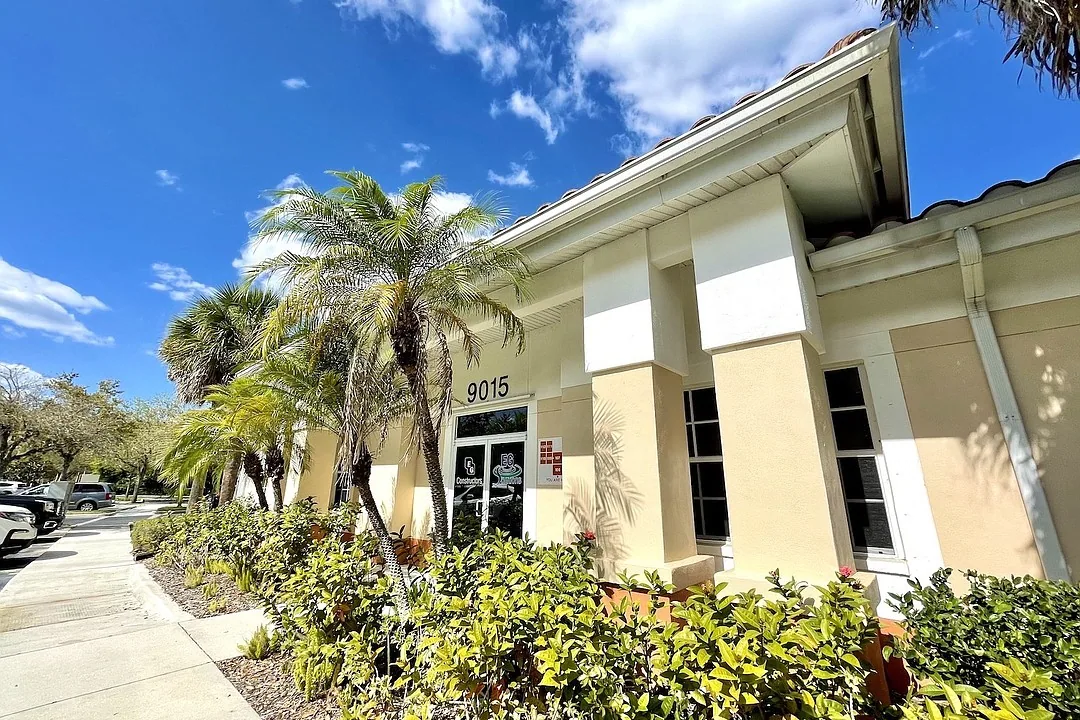
Commercial Cool Roof Installation in Coral Springs, FL
|
|
|
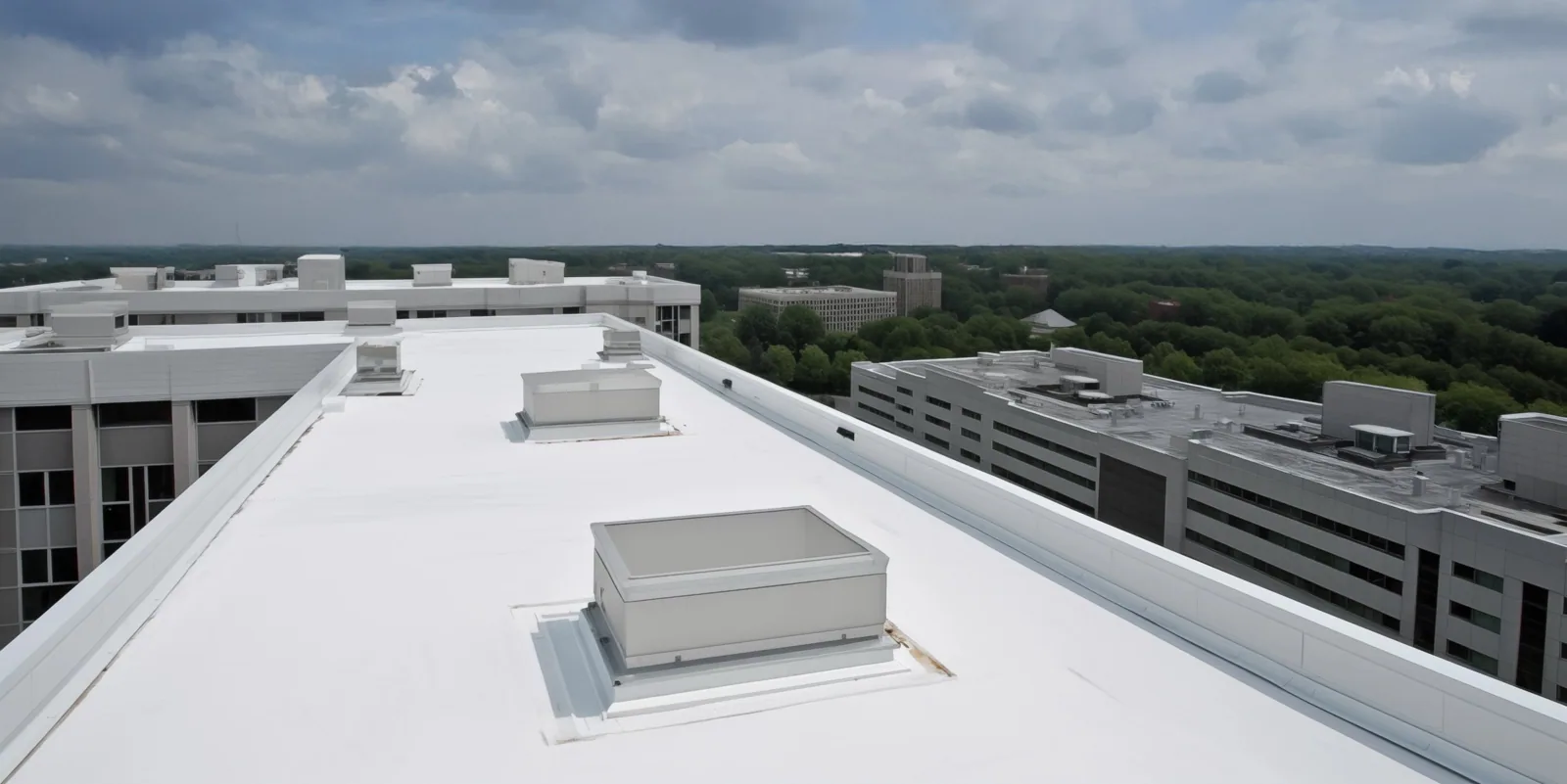
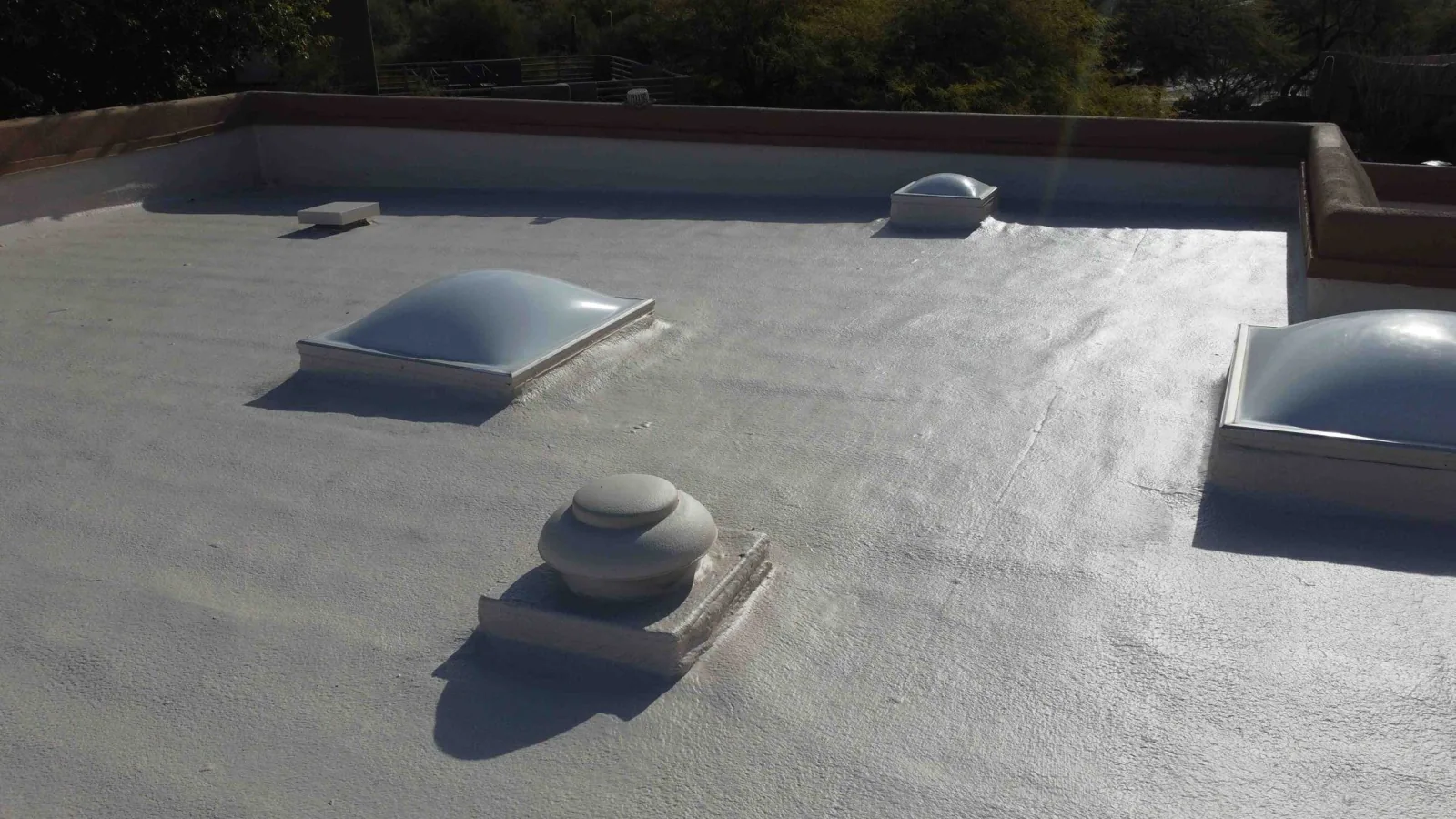
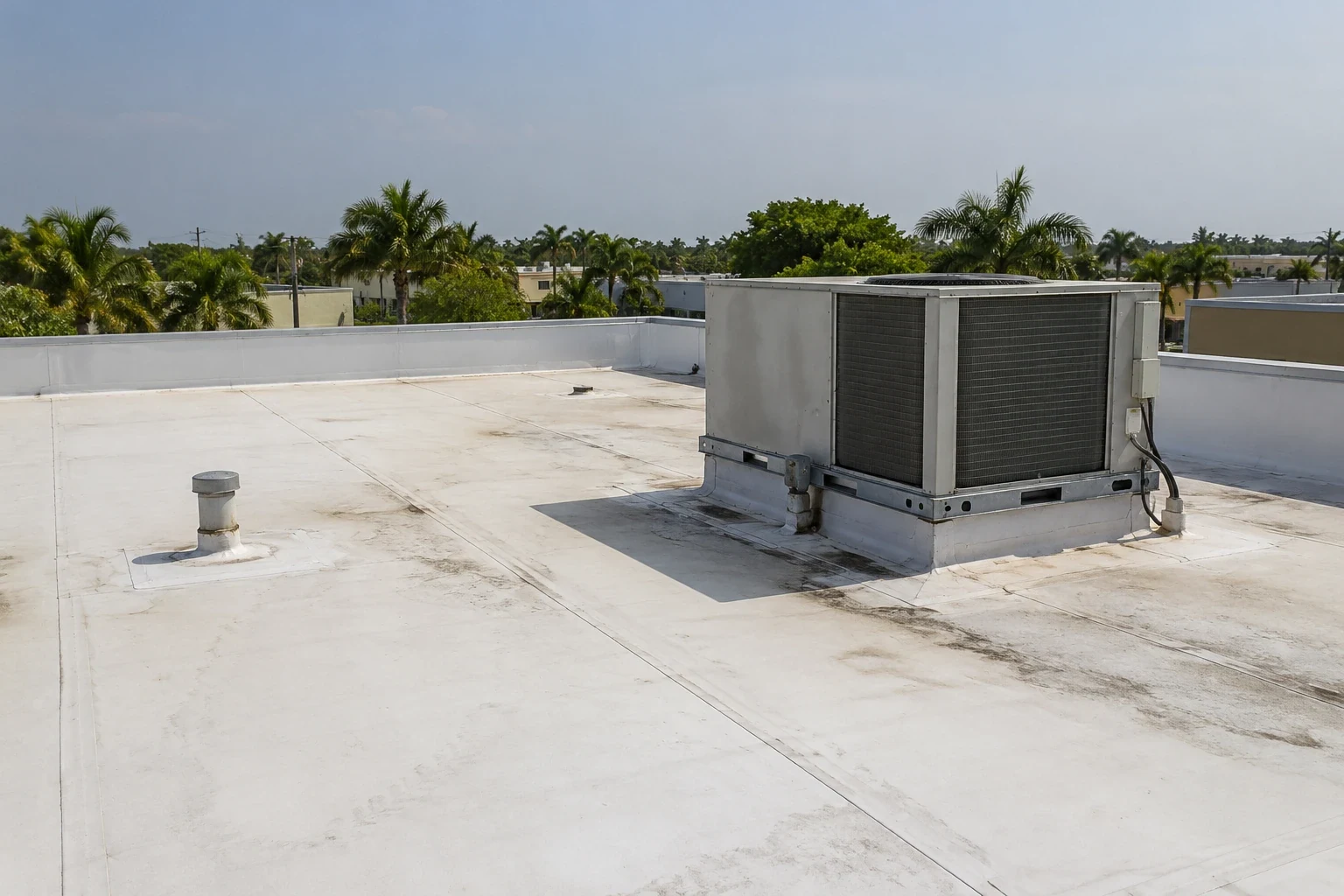
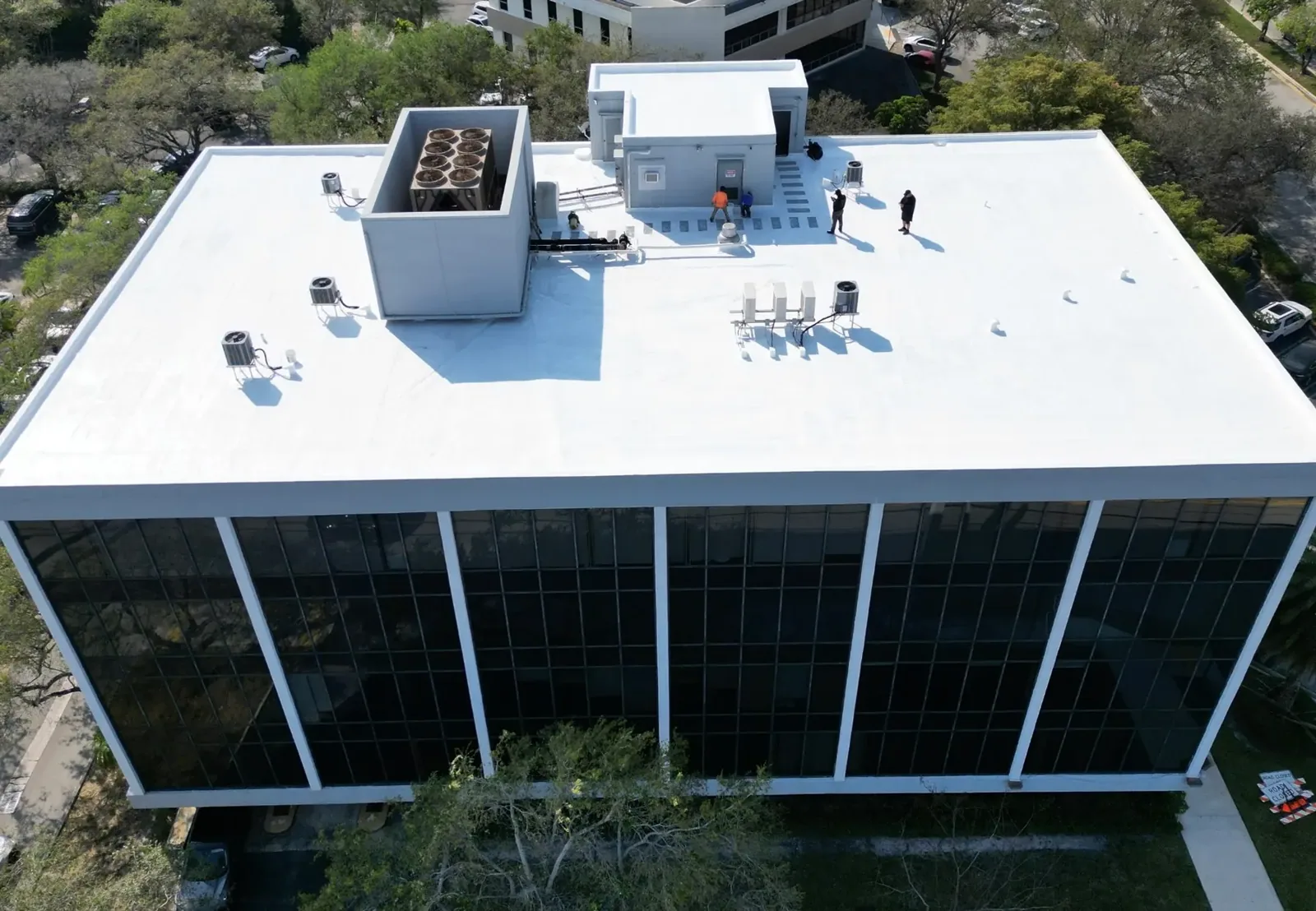
| A reflective roof surface can change how much sunlight the finished membrane absorbs, but color alone does not define the full roof assembly. We inspect the existing layers, drainage, penetrations and perimeter before discussing a cool-roof option. The specified product, substrate, insulation and installation method must work together. We explain which parts affect surface reflectance and which details still control water entry, wind resistance and service access. South Florida heat is a regular summer condition, with July and August typically the hottest months and heat index readings that can reach or exceed 100 degrees. That makes rooftop exposure and work timing important in Coral Springs, FL. At a property near Coral Springs Commerce Park or Downtown Coral Springs, we confirm the actual roof assembly, equipment and operating limits before selecting materials. |
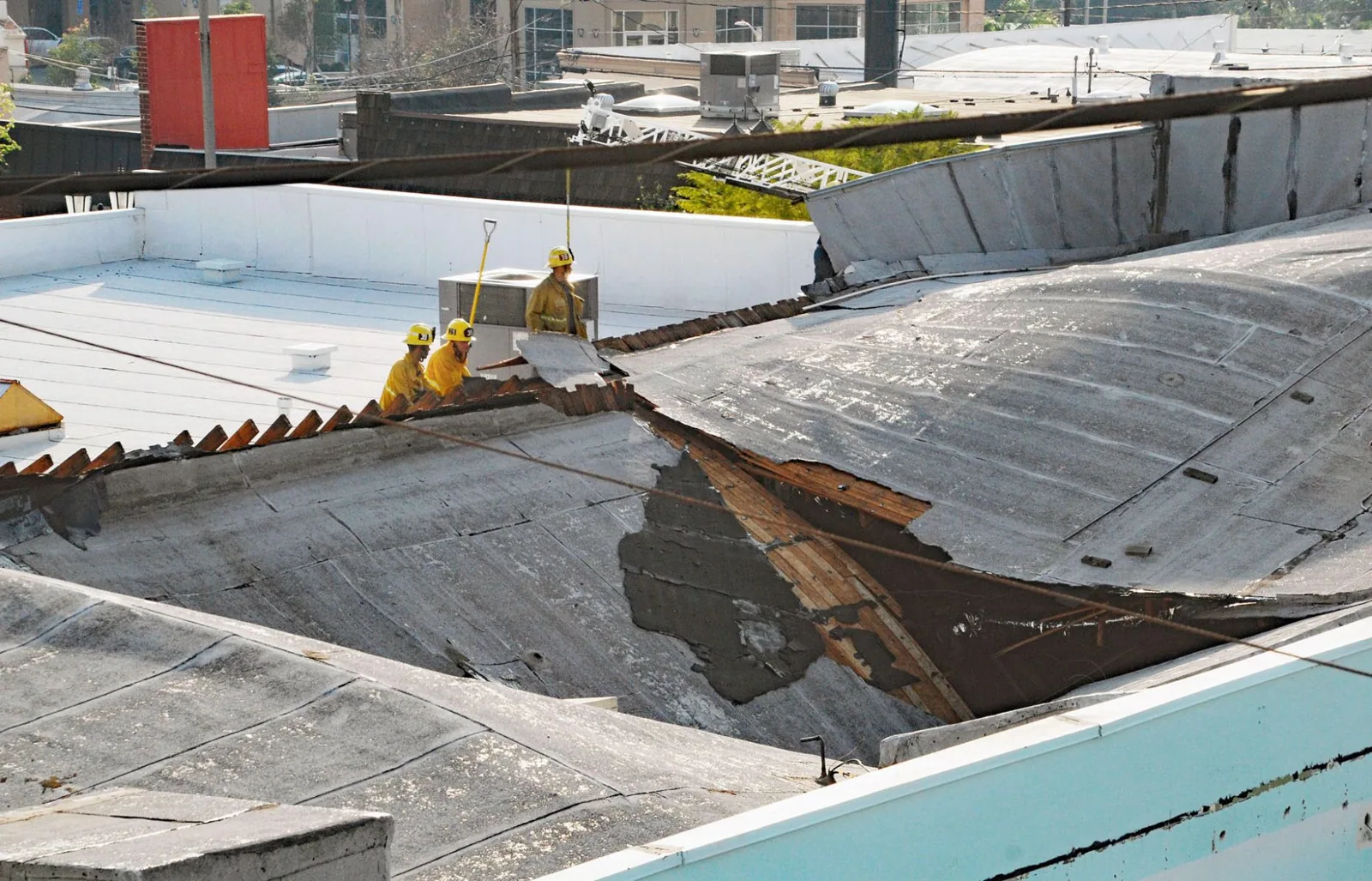
Review the existing roof system | We inspect the membrane, seam laps, existing coating, roof edges, drains and penetrations to see what surface will receive the proposed system. Blisters, loose material, wet insulation or failed seams need attention before a new finish is applied. If the roof has multiple layers or previous coatings, we identify the records and testing needed to confirm compatibility. A reflective finish does not correct a weak substrate or rebuild a failed flashing detail. A commercial roof inspection can document visible conditions, while an infrared moisture survey may help locate areas for follow-up when conditions support the method. We explain limits of both inspections and identify any test cut needed to verify concealed layers. The owner can then compare a coating restoration with a new roof assembly based on observed conditions. |
Select a compatible reflective surface | The proposed cool-roof assembly may use a reflective membrane or a coating over a suitable existing roof. The system specification determines the substrate, primer, attachment or application method and flashing accessories. We identify the product and layer sequence in the scope rather than treating every white or light-colored surface as equivalent. Where a coating is considered, the base condition and adhesion must be reviewed before the field application. TPO roofing is one membrane type that may be specified for a reflective assembly, while PVC roofing has its own details and project considerations. We review the selected system against building requirements and project documents. Product reflectance remains distinct from insulation design and building-specific energy results. A reflective finish does not correct a failed drain, loose edge or wet layer below it. Before work, we inspect the receiving surface, check the attachment and repair details, and confirm that the selected assembly can be installed over the existing roof. The specification governs material and surface preparation. We record color and product selection from the approved submittal, while performance expectations remain tied to the designed system and measured conditions rather than a promised utility reduction. We test the proposed preparation and coating on the actual receiving surface when the specification calls for a sample area, then review adhesion before extending the application. |
Keep drains and transitions working | A new roof layer changes finished height around drains, scuppers, curbs and wall edges. We inspect the drain bowl and overflow openings against the proposed assembly and identify extensions or reconstruction needed to preserve a clear water path. At a parapet, the edge detail must connect the new surface to metal or flashing. At equipment curbs, we plan the transition with the responsible trade if equipment movement is needed. Coral Springs has a long wet season and can receive heavy rain, so drainage details remain part of the roof selection. We record the water condition at the property before recommending work. A drain and scupper review can address outlets and crickets, while edge metal and coping work can coordinate perimeter transitions. The scope identifies which roof details will be rebuilt before the reflective field surface is completed. |
Check code and attachment details | Roof attachment in Coral Springs is reviewed under Florida’s adopted 2023 code edition, with wind criteria set for its High Velocity Hurricane Zone. The approved assembly, roof deck and project plans control attachment and edge requirements. We review the selected system and site conditions with the project team before ordering material or setting a work sequence. The approved assembly and roof deck set the fastening schedule for the building. The reroof submittal requires roof-deck sheathing to be re-nailed under section 2322.2.8. We confirm that step against the approved cool-roof assembly before specifying attachment details. A commercial roof replacement proposal should show its removal, insulation, membrane and perimeter details. The owner can compare those details with a coating restoration or reflective recover using the actual roof condition. |
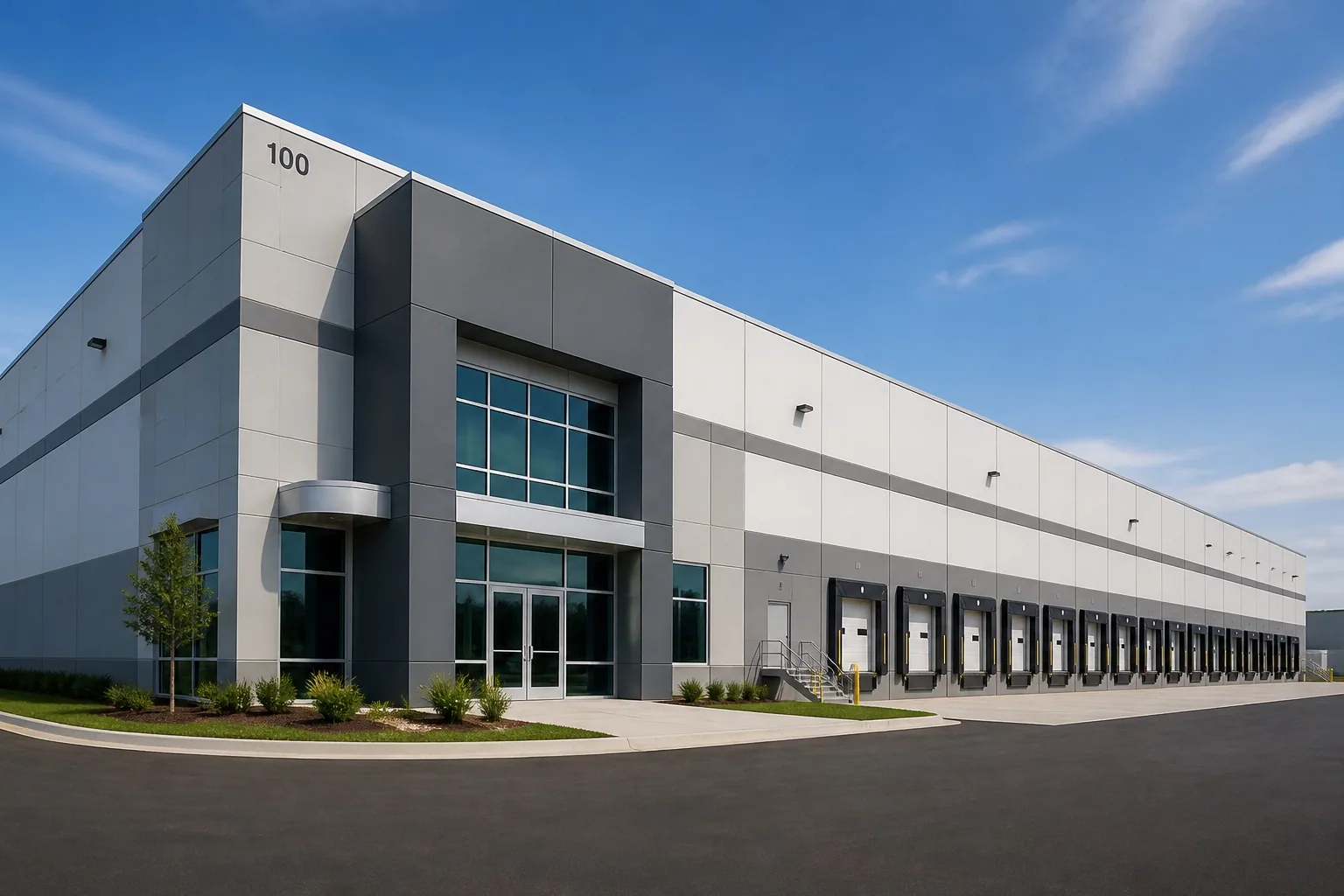
Plan work in heat and rain | Summer heat affects crew exposure and material handling, while afternoon rain can interrupt preparation or application. We check the forecast and product instructions before scheduling an open work zone. Surface temperature, moisture and cure conditions may constrain when a coating or membrane can be installed. The sequence identifies where materials will be staged, how the roof is protected and which details can be closed before the crew moves to another area. Coral Springs Commerce Park includes industrial, commercial and research-and-development uses. For a property there, the contact confirms vehicle access, lifting and roof entry. At office or retail properties near Sample Road, we also confirm entrances and work windows with the building representative. For activity above occupied rooms, occupied-building reroof coordination can account for operations and temporary protection. |
Review the completed cool-roof scope | At close-in, we inspect seams, laps, edges, curbs and drains against the specified system. We record the installed materials, treated roof areas and any limits encountered during the work. If reflectance or energy performance is part of the project goal, the owner should use the selected product data and building-specific evaluation rather than assume a result from appearance alone. The closeout separates installation observations from later utility performance. A roof condition report can preserve field findings and photographs. Preventive roof maintenance can check accessible transitions and drainage as conditions change. For a building near Downtown Coral Springs, the property contact still supplies the address-specific access route and operating limits. We review the completed zones with the authorized representative. The record identifies any excluded roof areas, weather-related interruption or transition that needs a later inspection. The maintenance instructions identify compatible cleaning methods and areas to inspect after rooftop service work, since foot traffic or equipment changes can disturb the finished surface. |
Commercial Roofing Questions | Does a reflective roof lower the building’s energy use?Reflective surfaces can change solar absorption, but building energy use also depends on insulation, equipment, controls and operating conditions. We describe the selected material and avoid assigning a building result without a separate evaluation. Can a reflective coating go over my existing roof?The existing surface, moisture condition, prior coatings and system instructions affect suitability. We inspect the assembly and identify repairs or tests needed before proposing a coating. Will a cool roof correct ponding?A reflective finish does not by itself change roof slope. We inspect drainage elevations and identify any cricket, insulation or outlet work needed to change the water path. What code applies to a Coral Springs reroof?Coral Springs follows the 2023 Florida Building Code, 8th Edition, with High Velocity Hurricane Zone requirements. The approved assembly and project plans govern specific attachment and edge details. What should I provide for a cool-roof review?Send the property address, existing roof records, operating limits, roof access route, active leak or storm date and any project criteria for reflectance or insulation. |
Review the reflective roof option | Provide the property address, roof records, access route, active leak or storm date and operating limits. We can inspect the assembly, identify compatible systems and document the installation details for review. Request a Roof Assessment 555-555-5555 |
|
|
REQUEST AN ASSESSMENT
 |