Solar-Ready Commercial Roofing in Coral Springs, FL
|
|
|
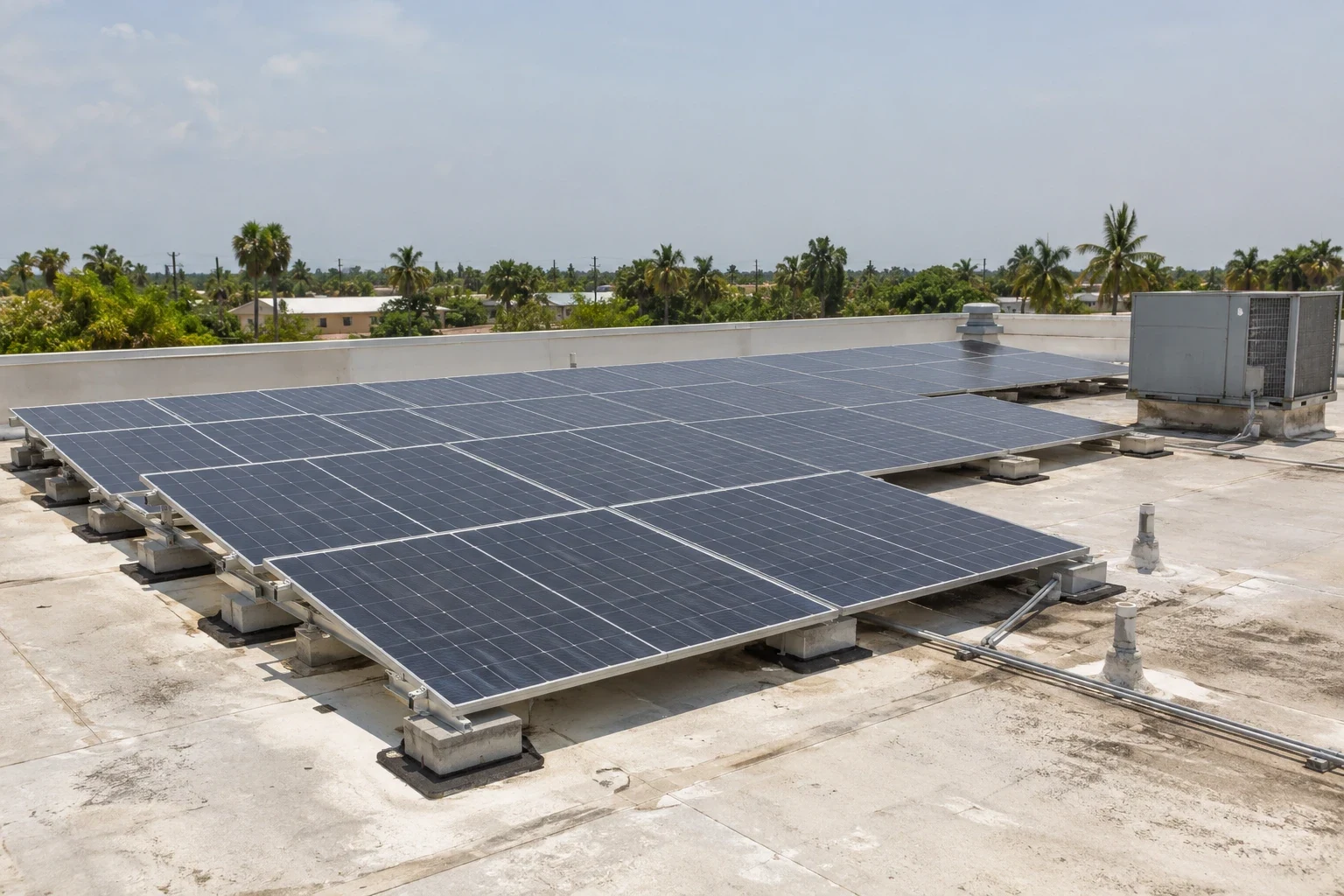
| A proposed solar attachment layout can cross seams, drains, curbs and roof zones that were not designed around its final location. Before a roof is called solar-ready, we inspect the existing assembly, identify planned attachment points and coordinate the roofing details with the solar designer. The review should show which roof areas can remain, where penetrations or supports affect the membrane and what roof work must be completed before equipment is installed. Coral Springs, FL is within Florida’s High-Velocity Hurricane Zone. Solar review uses the 2023 Florida Building Code and Broward County’s 170 mph HVHZ design wind velocity. The checklist provides wind-design context for a project-specific review. At Coral Springs Commerce Park or near Sample Road, we compare the address-specific array plan, roof records and access instructions with the building contact. |
Review the roof before array layout | We inspect the membrane, seams, fastener lines, edge conditions, drains, curbs and prior repairs in the proposed solar area. The roof’s remaining condition and access limits matter because panels can restrict future inspection or repair at the covered surface. Available roof records and the array plan help locate conflicts. If concealed moisture or deck condition remains uncertain, we identify the test cut or additional review needed before attachment points are set.We also consider repair history, visible wear and maintenance access at each planned array bay. That review gives the owner a roof-side baseline before supports or panels limit access to those surfaces. A commercial roof inspection can document accessible conditions before the solar scope is finalized. Where moisture is a concern, an infrared moisture survey may identify areas for follow-up when site conditions support imaging. The report should distinguish the roof inspection from structural design. A licensed design professional and solar contractor address loading, attachment engineering and electrical work in their respective scopes. |
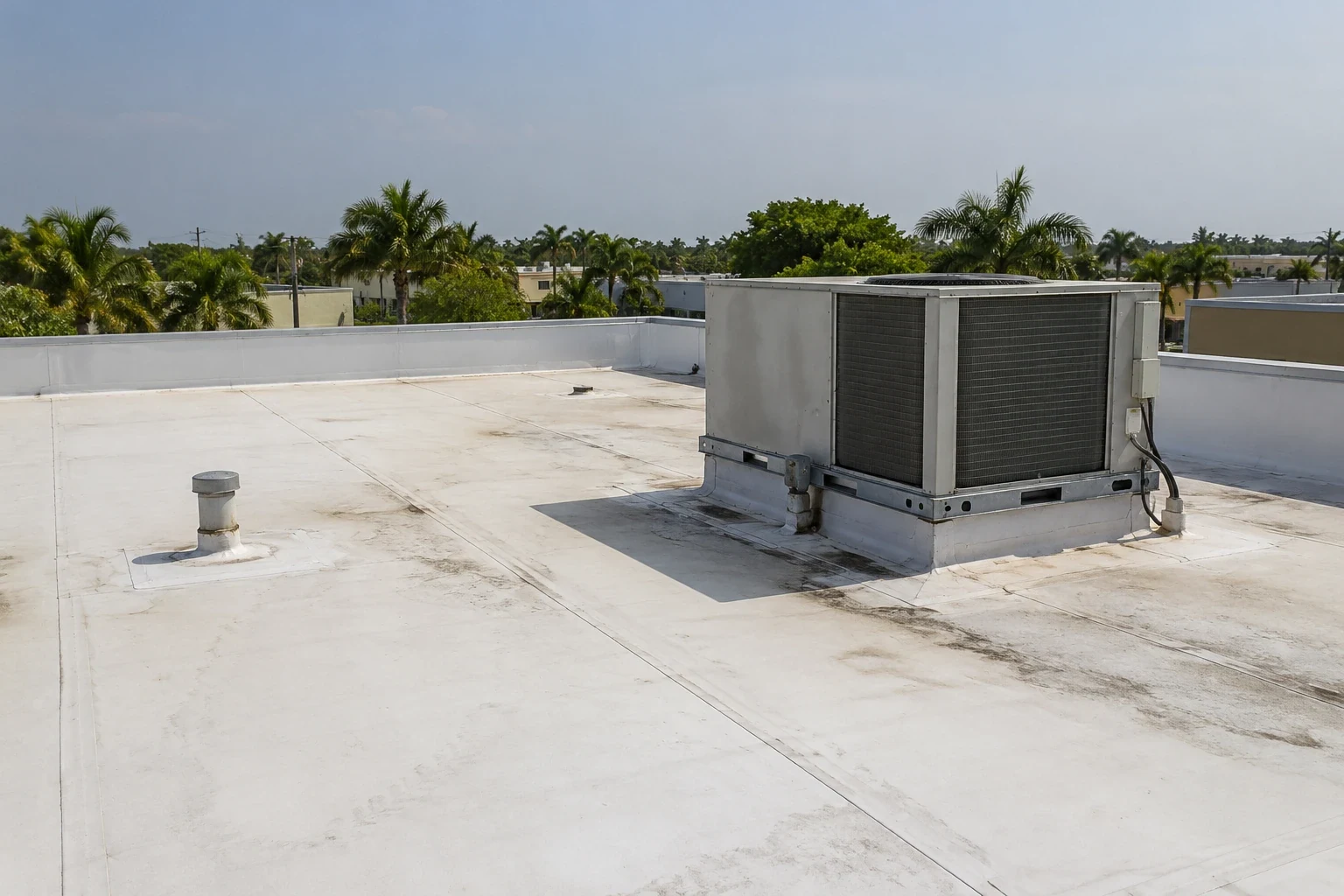
Coordinate attachments and wind design | Array supports transfer loads through the roof assembly to the structure. The attachment type, spacing and load path depend on the system design, deck and approved details. We coordinate the proposed attachment locations with the solar team and project engineer, then review how each base meets the roofing membrane. Wind-design requirements inform the project, while approved documents govern the actual layout and fastening details. When attachments penetrate the membrane, each opening requires a flashing detail compatible with the roof system. Ballasted or other non-penetrating assemblies still affect roof access, drainage, edge conditions and maintenance routes. Rooftop support and curb details can be coordinated with similar penetrations. A TPO roof assembly has specified accessories and seam conditions that the array plan must respect. The attachment layout should be reviewed with the structural and electrical design before roofing work is scheduled. We need the proposed array zones, support type, cable paths, equipment locations and service clearances to identify where penetrations or ballast may affect the membrane. The design team sets wind and structural criteria; we document the roof assembly and coordinate the flashing detail. If the roof needs repair or replacement first, the sequence can preserve access for future supports without placing an unapproved attachment through finished work. |
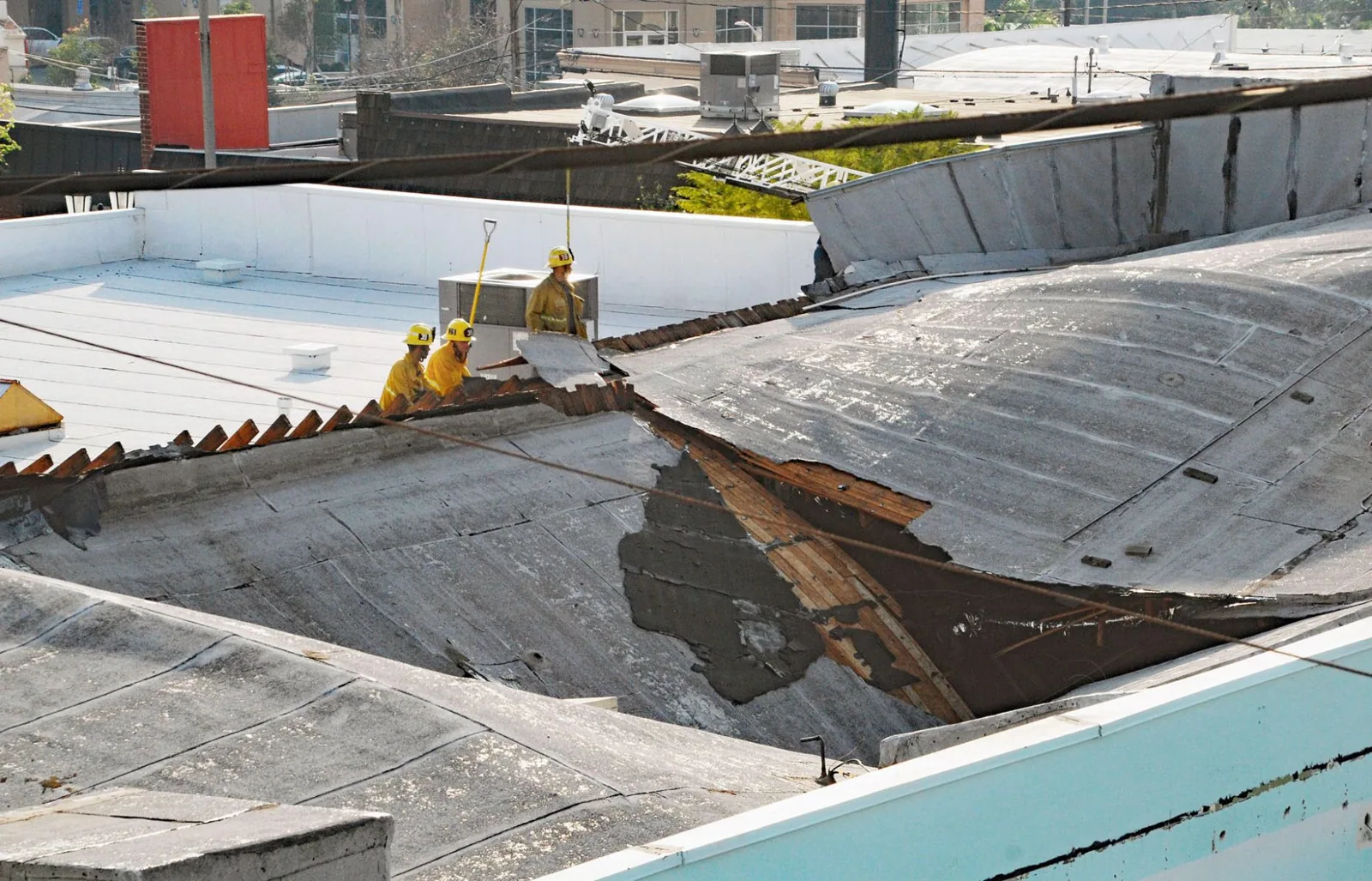
Resolve roof work before panels arrive | If the roof needs repair, replacement or restoration, the work sequence should be settled before panels cover the affected area. We identify membrane repairs, insulation work, edge changes and drainage corrections that belong in the roofing scope. If the assembly is near the end of its useful service period or has broad deterioration, installing solar first can make future roof access more difficult. We document the condition and coordinate the decision with the owner and solar project team. For a sound assembly requiring localized corrections, commercial roof repair can define the affected area. A roof replacement scope may be reviewed when the inspection shows broad failure or when the project plan calls for a new assembly before solar installation. If wet material is found, we record its location and determine the repair extent before that zone is closed and concealed by equipment. |
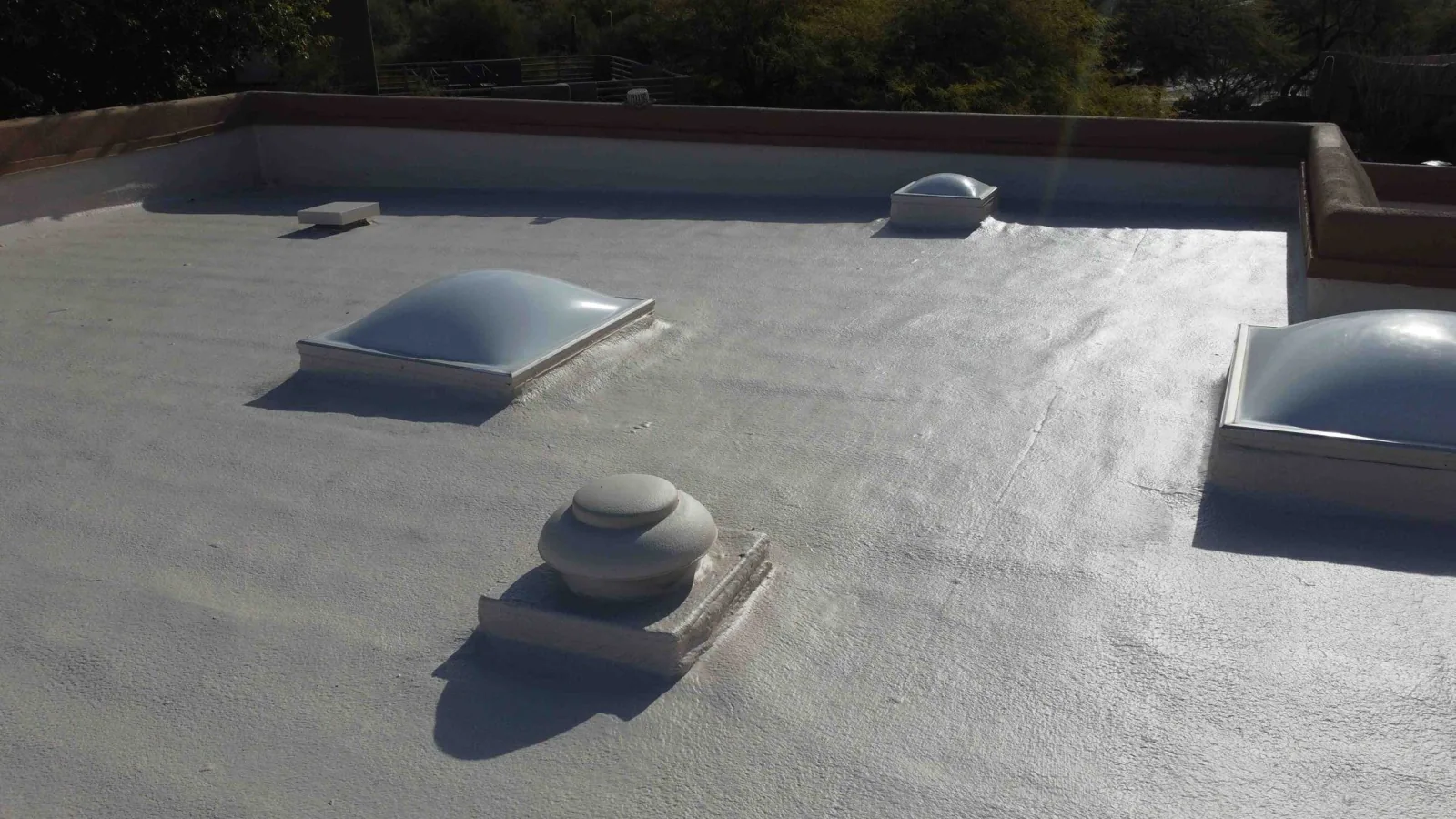
Keep drains, access paths and service clear | Solar rows can affect the route for water, technician movement and roof maintenance. We compare the layout with drains, scuppers, overflow openings, roof hatches and equipment clearances. Any proposed change to drainage or access should be reviewed before installation. We mark the locations of roof penetrations and confirm that flashing and membrane repairs can be inspected after panel supports are installed. South Florida has a long wet season with heavy rainfall, so a clear path to outlets remains part of the roof review. We inspect drains and overflow routes at the property and compare them with the proposed array layout. Drain and scupper work can address an outlet conflict, while maintenance planning can establish future inspection access around the array. The solar and roofing teams should identify how panels can be reached or temporarily moved if a future repair requires it. |
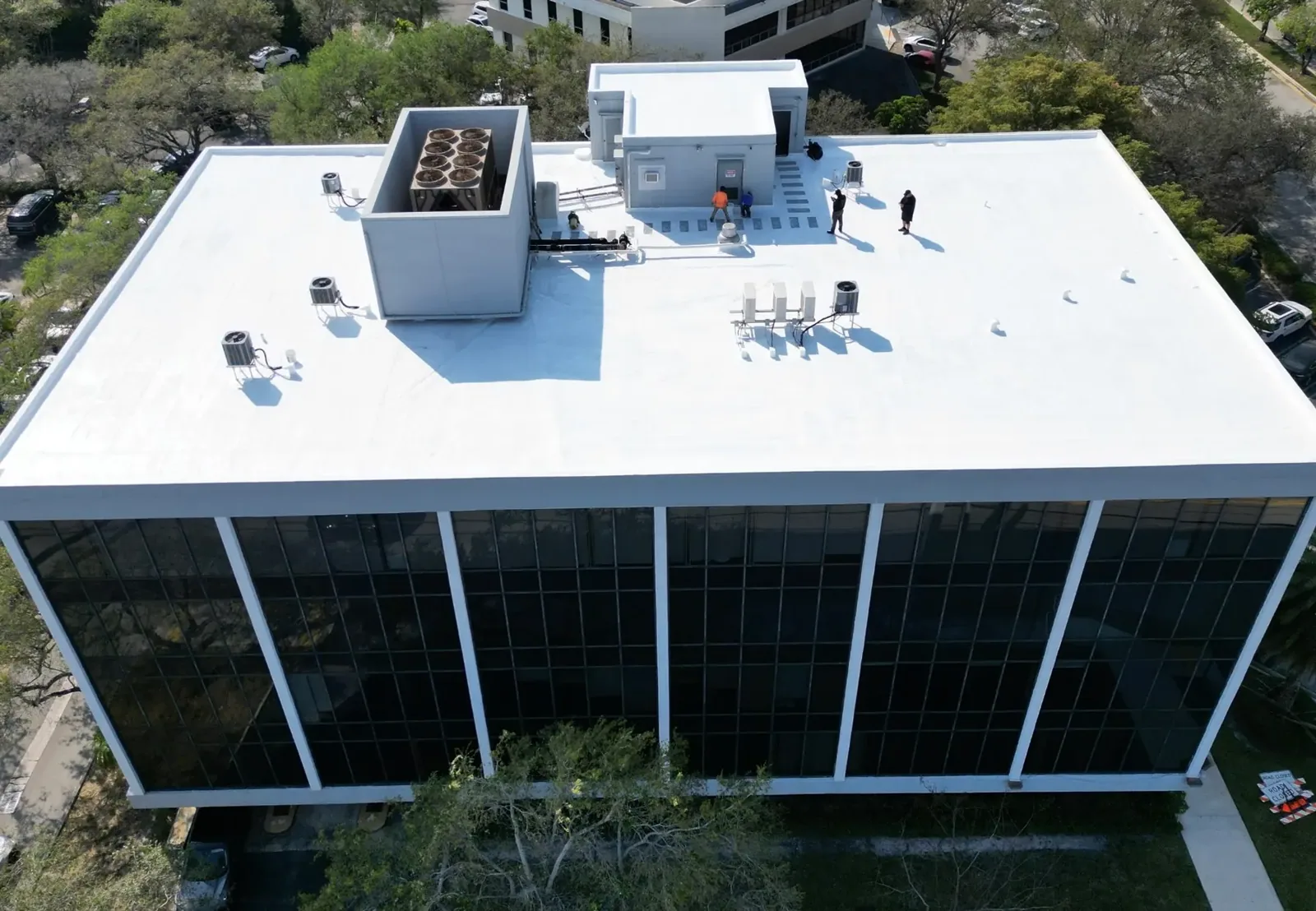
Coordinate building and delivery access | Solar installation adds deliveries, lifting activity and work at roof level. The property contact identifies loading areas, access route, operating hours, security procedures and any occupied spaces that require protection. Coral Springs Commerce Park includes industrial and logistics uses. The assigned site representative provides gate, roof-hatch and crane access before we set the delivery sequence. For office or retail work near Coral Square Mall or Downtown Coral Springs, the building manager confirms staging and contractor entry. If roofing and solar work take place while tenants remain active, occupied-building reroof coordination can identify work zones, notice requirements and temporary exposure controls. We record any roof area that remains inaccessible to the roofing inspection. |
Document the roof and solar handoff | The roofing closeout records repaired or replaced roof areas, flashing at attachment points, drainage transitions and any inspection limitations. The solar contractor documents its array configuration and electrical scope. The owner should retain both records so future maintenance can locate attachments and understand which trade completed each connection. We identify details that require follow-up before they are concealed or placed in service. A roof condition report can preserve the initial roof observations and field marks. At Coral Springs Commerce Park, the facility contact still provides the address-specific access route and operating limits. The same review applies to other Coral Springs properties, based on their actual assembly and array plans. We walk the completed roofing details with the authorized representative before handoff. The handoff includes the approved support layout and the roofing details around each planned attachment. |
Commercial Roofing Questions | What does solar-ready mean for an existing roof?The roof condition, attachment plan, structural design, penetrations and access for future maintenance all need review. We document roofing conditions and coordinate connections with the project team. Can panels be installed on any commercial roof?Suitability depends on the existing assembly, structural design, roof condition and proposed array. A roof inspection alone does not provide the structural or electrical approval needed for a solar installation. Will the solar mounts penetrate the membrane?The design may use penetrating or other attachment methods. We coordinate the selected detail and identify how any roof openings will be flashed and inspected. Should the roof be replaced before solar panels are added?The inspection can document visible condition, repairs and limits. The owner and project team can compare roof scope and solar schedule before panels restrict access to the underlying surface. What plans should I provide?Send the property address, roof plans and records, preliminary array layout, roof access route, operating limits and the contacts responsible for structural and solar design. |
Coordinate the roof before solar work | Provide the property address, roof plans and records, proposed array layout, access route and operating limits. We can inspect the roof assembly, identify flashing conflicts and document the roofing work needed before the handoff. Request a Roof Assessment 555-555-5555 |
|
|
REQUEST AN ASSESSMENT
 |