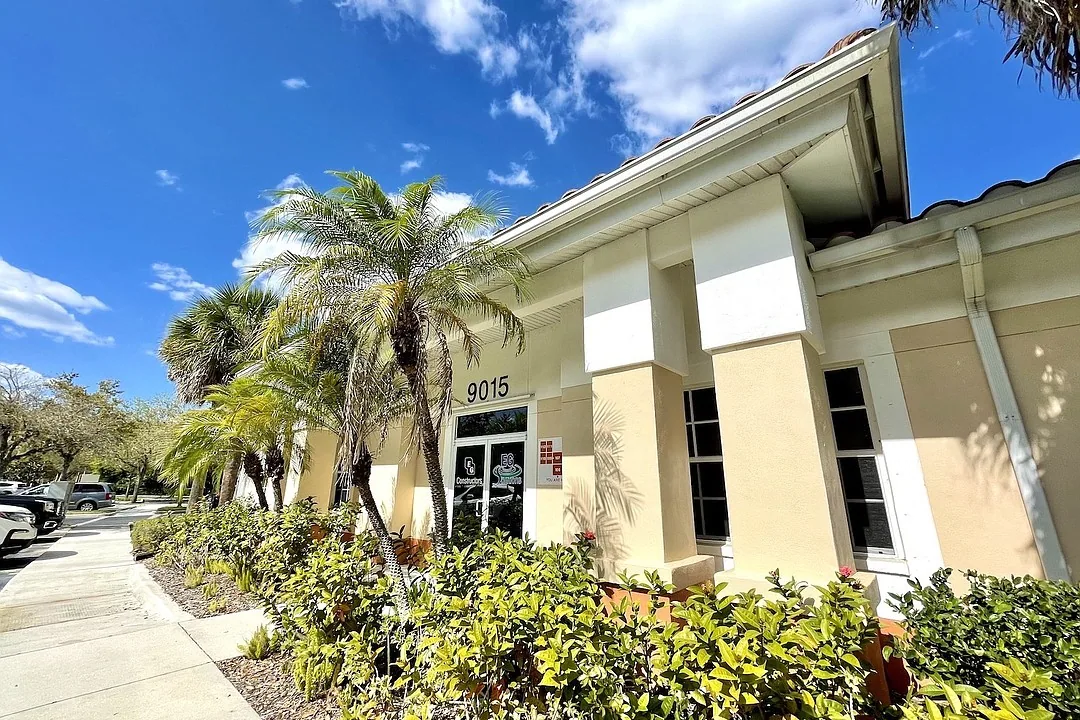
Commercial Roofing in Coral Springs Coral Ridge Drive Corridor, Coral Springs, FL
|
|
|
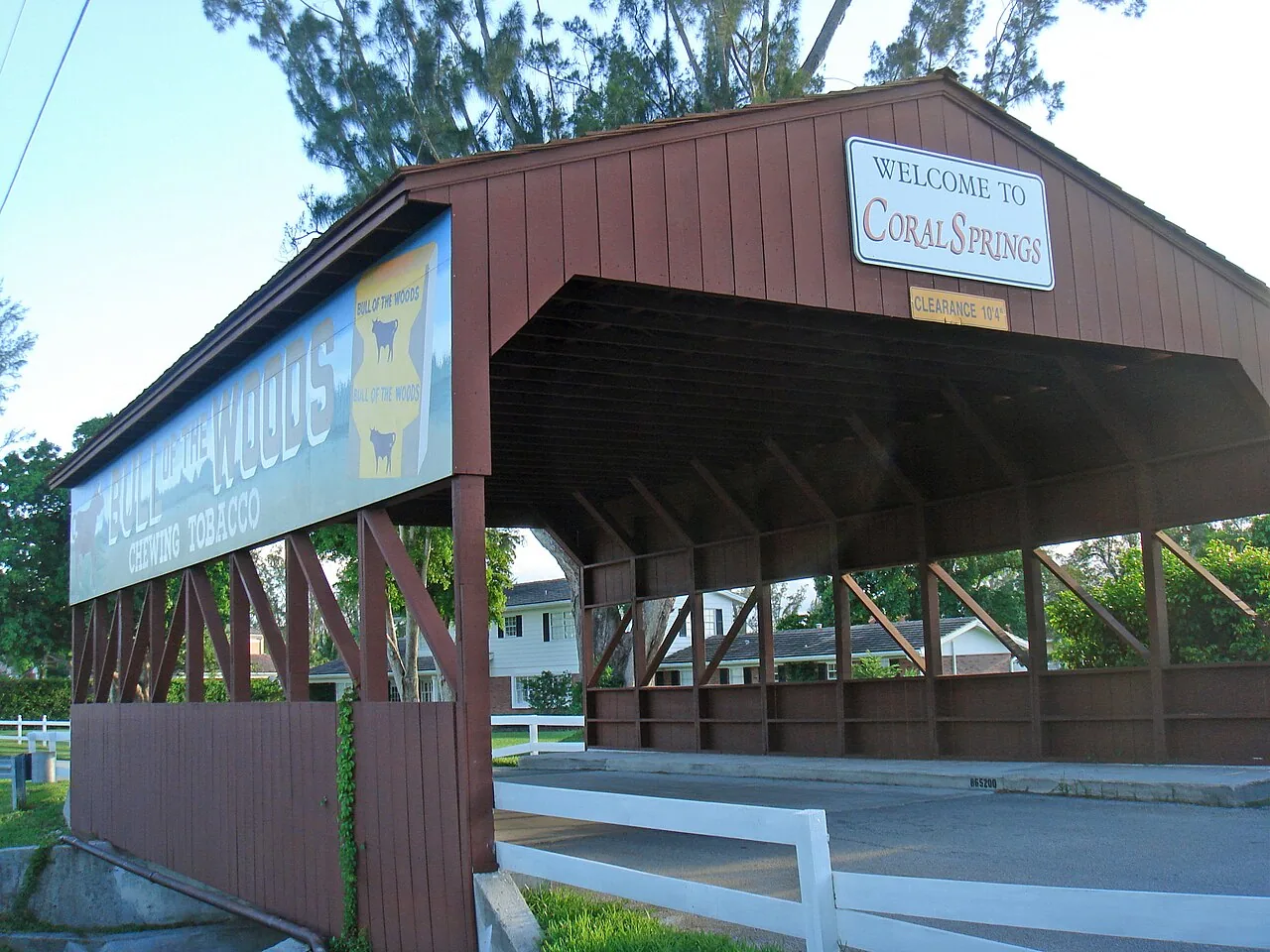
Service Areas: | | ● | Commercial Roofing at Coral Springs Commerce Park, Coral Springs, FL | ● | Commercial Roofing in Downtown Coral Springs, Coral Springs, FL | | ● | Commercial Roofing in Coral Springs Central Commercial District, Coral Springs, FL | ● | Commercial Roofing in Margate, FL | | ● | Commercial Roofing in Sunrise, FL | ● | Commercial Roofing in Coral Springs Commercial Districts, Coral Springs, FL | | View All Service Areas |
| The service area follows a wider commercial street pattern, while roof diagnosis remains building-specific. We inspect the reported zone, check related edges, penetrations and drains, and document the access and sequencing needed to complete the approved correction. Coral Springs’ exterior-improvement program serves eligible retail, office, manufacturing and industrial property owners. The corridor's retail and civic activity makes delivery timing and pedestrian protection part of the first site walk. We then compare repair, restoration or replacement against the inspected roof. If the same complaint returns after a patch, we compare the previous repair area with adjacent seams, penetrations and drainage. The first correction may have addressed a symptom rather than the full path, or water may be entering at a different detail. We document the evidence, explain the next test or repair boundary and avoid extending the scope beyond what the inspection supports. A repair plan should state what will be opened, how the tie-in will be made and what must be dry before close-in. We review those details before work starts, including the transition between new material and the existing roof. If the substrate changes the repair method, we document the condition and confirm the revised boundary with the property contact. |
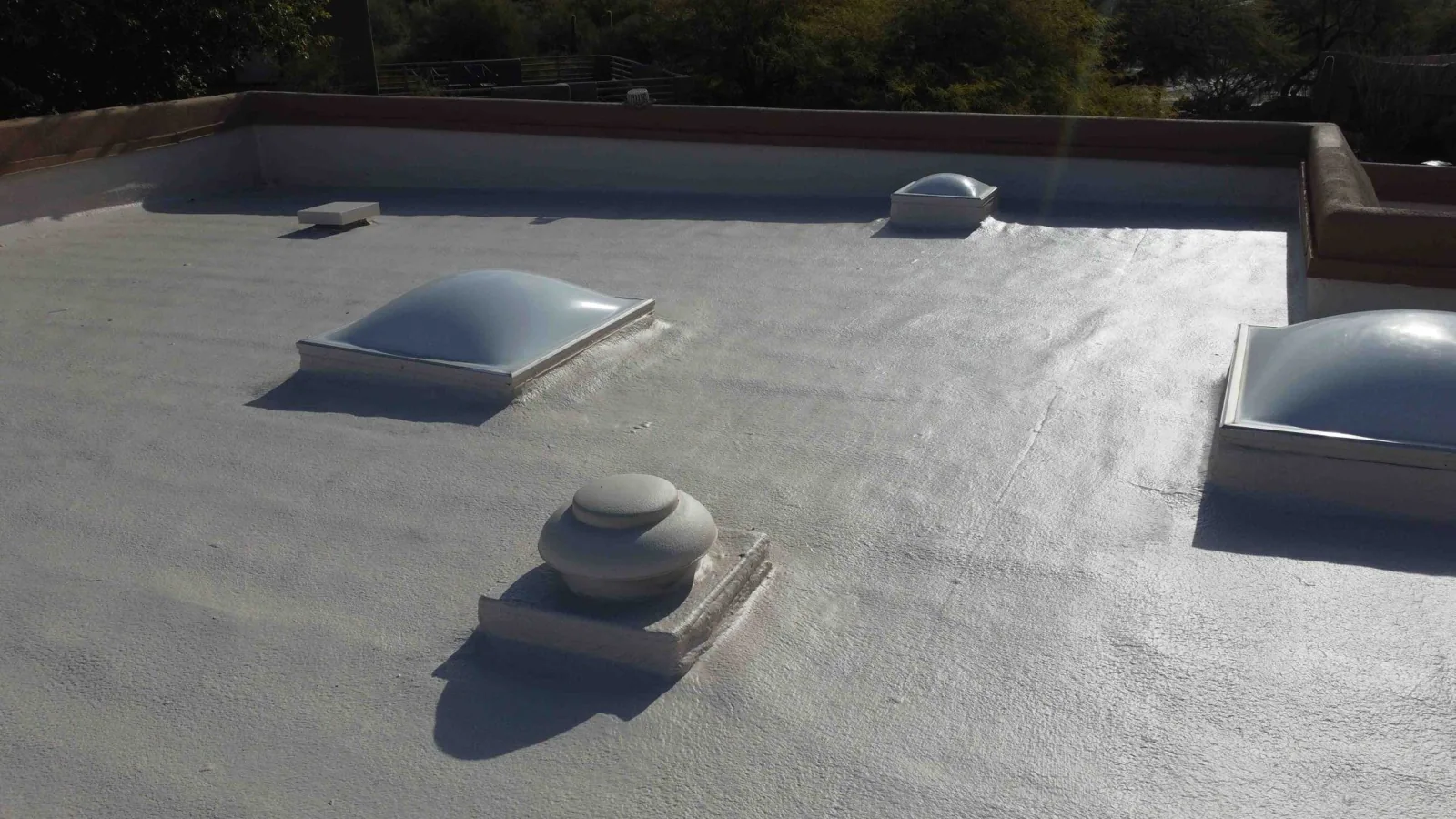
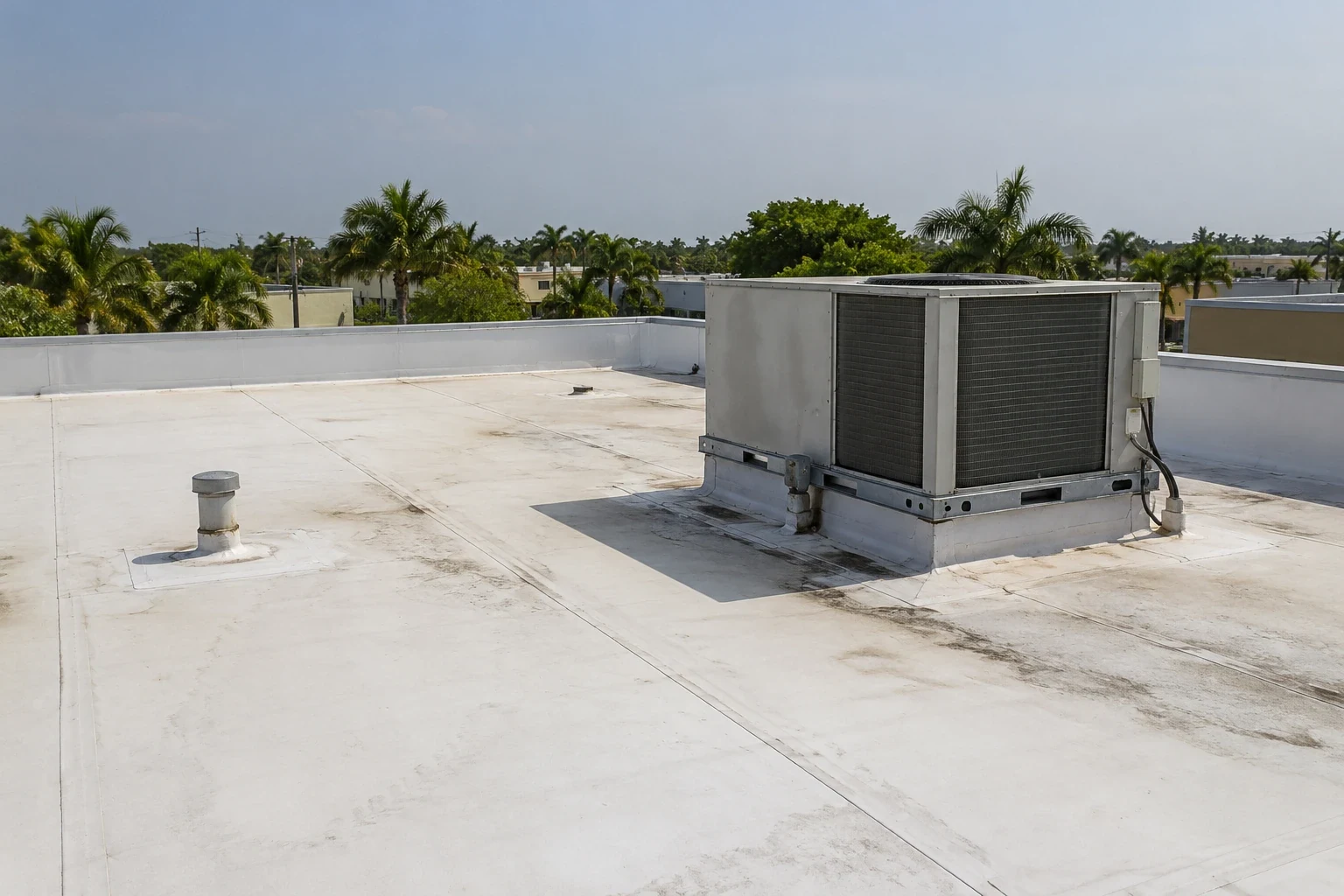
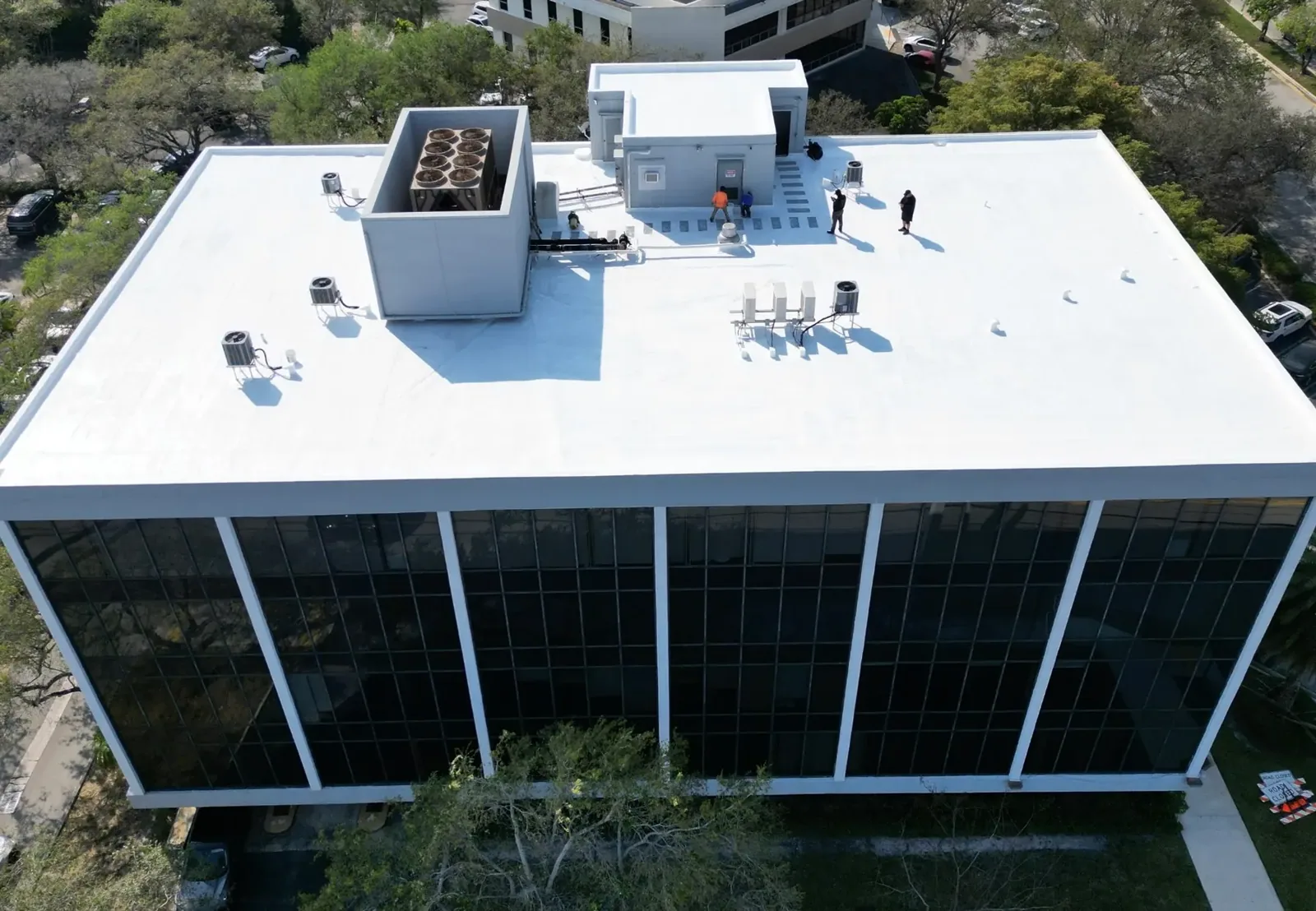
Mark the roof details that control the leak | Start at the interior report and follow likely water paths. We check seam laps, edge metal, curb flashing, penetrations and drains. A roof opening can sit away from a ceiling mark, so staining, active drips and past repairs are compared with nearby transitions. Photos record whether the detail is wet, loose, aged or uncertain. Different materials and attachment methods stay separate in the findings. At each low point, we follow water from the roof field to its outlet. A stopped drain, a separated bowl connection and a persistent low area require different corrections. We note the strainer, clamping ring, overflow route and adjacent membrane so a drainage repair does not conceal a separate seam or slope issue. Standing-water lines help distinguish a blocked outlet from a persistent low area. A drone roof survey adds overview images, while hands-on checks remain necessary at seams and details. We identify where a test cut or infrared review could resolve moisture questions. For active entry, we limit exposure and protect the interior before permanent repair. A leak repair follows the verified path and restores compatible layers. Wet insulation or recurring detail failure may expand the repair boundary; we explain that finding before moving beyond the approved area. |
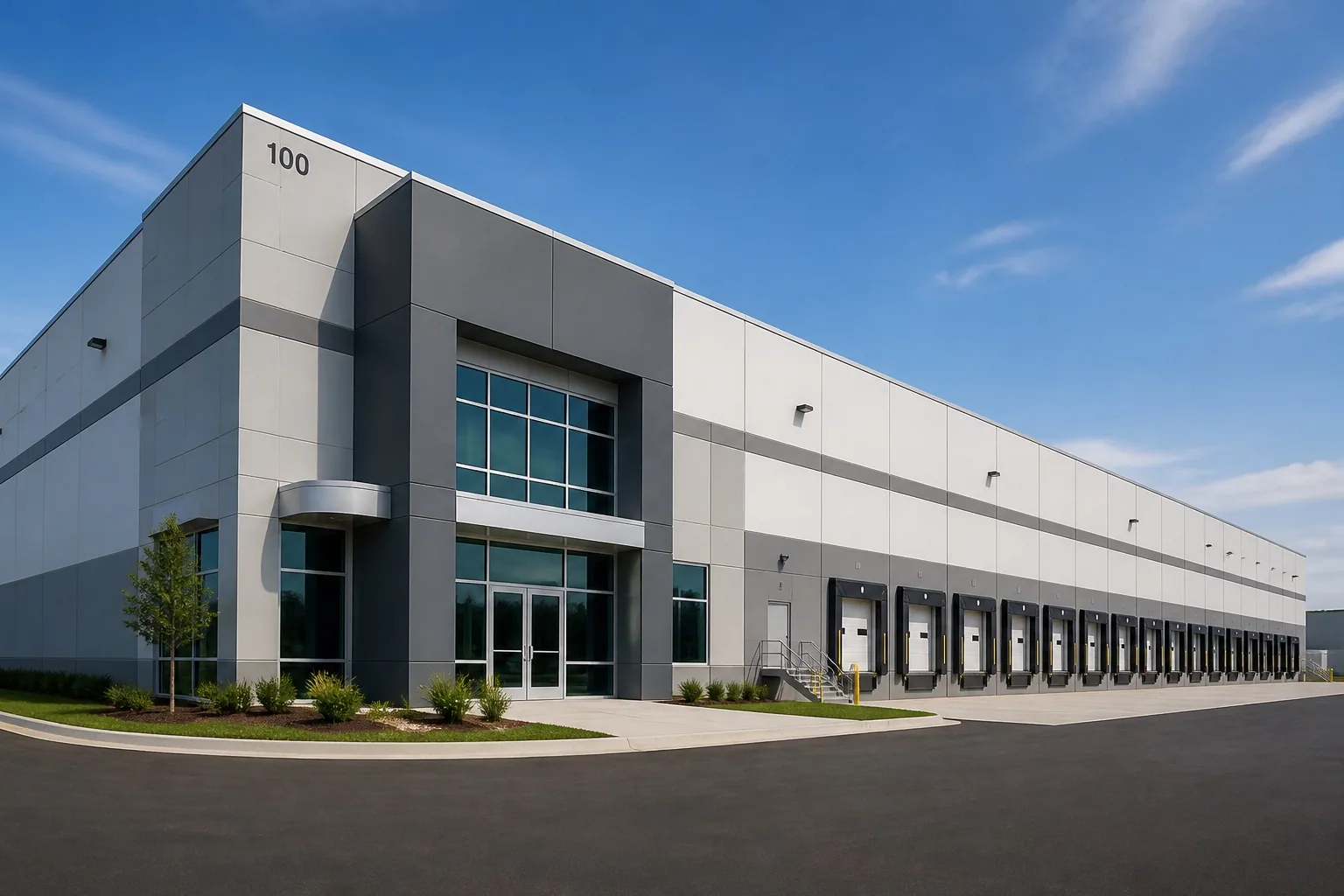
Keep the route clear while crews work | At an intersection with shuttle service, pedestrian movement matters alongside truck access. The contact confirms the roof entrance, walkway, loading window and material staging. We agree where a ladder may stand, which doors remain open and how debris will leave. Those details affect the sequence even when the roof repair is small. Replacement or recovery brings deliveries, tear-off, insulation, rolls and disposal through a shared route. We lay out work zones and close-in points before mobilization. Phasing can keep areas available but may add return trips or temporary tie-ins. The proposal states those tradeoffs. Occupied-site reroof planning defines tenant notices, safe routes, noise windows and end-of-day protection. The contact identifies shared paths for shuttle passengers or deliveries. We move materials through approved access and secure the open boundary if weather interrupts work. |
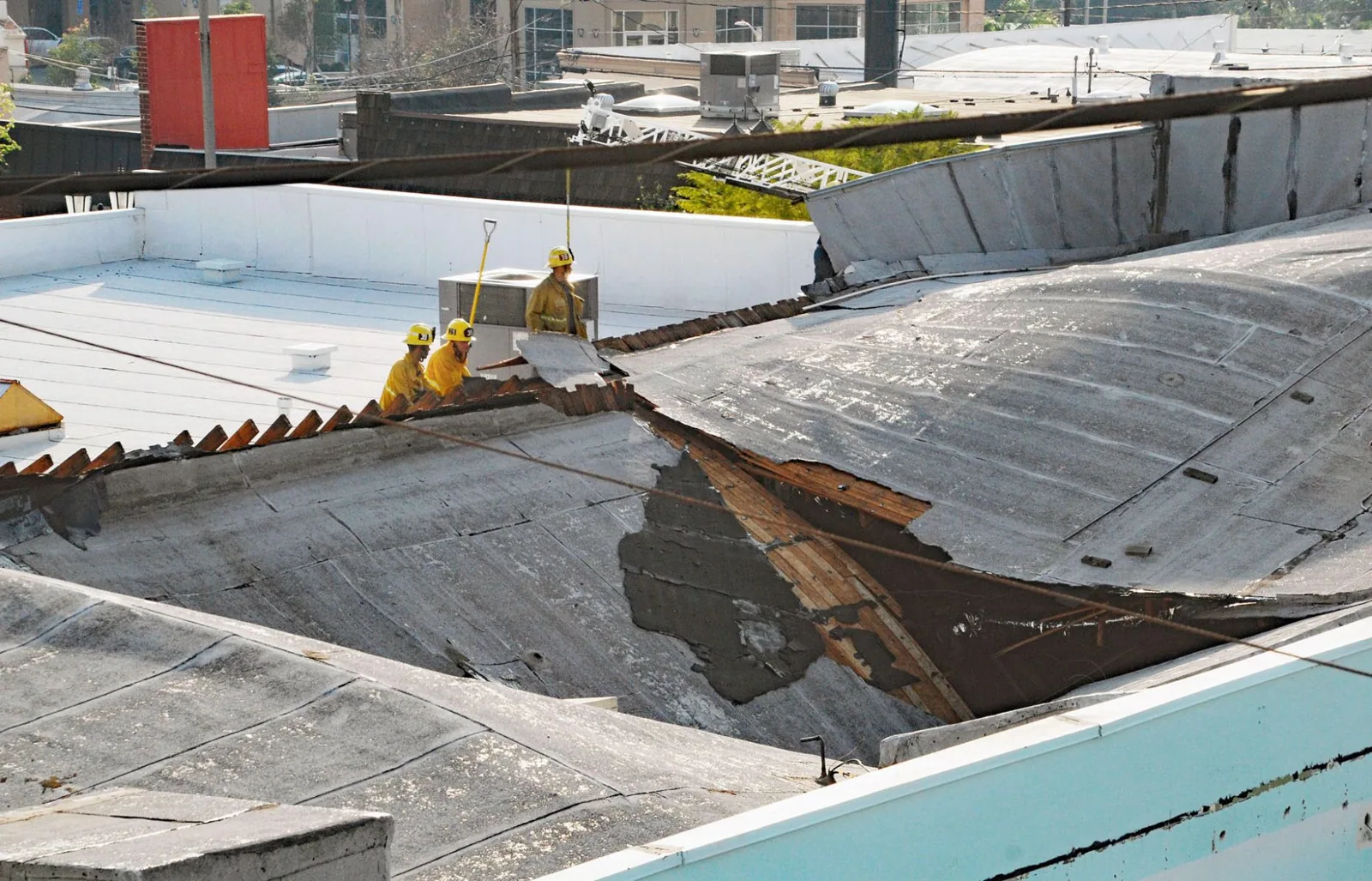
Use the inspection to compare roof paths | A targeted repair fits when the failure is bounded and nearby material can form a reliable tie-in. We prepare the surface, rebuild the detail and check the lap and drainage. Repeated leaks, broad wear or widespread moisture can leave the cause untouched by isolated patches. A roof condition report shows how failures relate to the assembly and which items need action first. Recovery depends on existing layers, attachment, deck and drainage. If those conditions support another assembly, it may avoid full removal; if not, replacement allows broader correction. We identify concealed conditions that need confirmation once opened. Recover planning and replacement scopes use the same inspection facts for comparison. Cost and timing reflect affected area, access, tear-off, disposal, substrate work, insulation and phasing. Coating requires a stable, dry surface and cannot correct trapped moisture or loose attachment. We test the surface before considering restoration; otherwise we compare repair with replacement. |
Set the daily boundary for local weather | South Florida’s rainy season brings heavy rain, thunderstorms and damaging winds. Tropical exposure peaks in August through October, while summer heat also changes roof work. We check conditions before delivery, tear-off and application. Only the area that can be protected and closed in the work window is opened. If the forecast moves, the crew secures work underway and revises the boundary with the contact. Coral Springs roofing follows the 2023 Florida Building Code, 8th Edition, and High Velocity Hurricane Zone rules; section 2322.2.8 requires sheathing re-nailing for reroofs. We confirm which requirements apply to the project and inspect exposed deck and attachment. Edge metal, corners, seams and penetrations complete the wind-load path. Concealed conditions are documented as removal reveals them. Heat influences work hours and material handling. Rolls and adhesives stay protected, and prepared surfaces are not left exposed longer than planned. Rain can affect adhesion or trap moisture below a new layer, so a pause may be needed. |
Document what changed and what remains | At the end of the work, we inspect completed seams and flashings, clear drain openings and remove debris from the approved access route. The closeout includes dated photos and a concise record of the area repaired or replaced. Any separate condition is identified by location, with a next step such as monitor, test or repair. A marked roof photo gives the property team a clear starting point for each follow-up and keeps completed work separate from recommendations that still need approval. A preventive roof visit can track drain condition, past repairs and membrane changes over time. Records for Coral Ridge Drive corridor remain separate from the Shoppes of Magnolia and Sample Road Commercial Corridor. To arrange an inspection, provide the property address, roof access route, active leak or storm date, and any shuttle, tenant or delivery constraint. We will confirm the work window and return findings based on the assembly we see. |
Commercial Roofing Questions | How are recurring leaks reviewed?We compare prior repair records with the current symptom and inspect the nearby roof details. If the source remains uncertain, the report identifies the next access or test that could change the recommendation. What if the roof leak appears far from the visible damage?We trace the path through seams, penetrations and drainage rather than assuming the stain is directly below the entry. Photos, moisture indicators and a test cut can help establish the repair boundary when the surface alone is inconclusive. Can a roof be coated instead of replaced?Only if the substrate is dry, stable and suitable for preparation. Coating does not correct wet insulation, loose attachment or failed details. We inspect those conditions before comparing restoration with repair or replacement. How do you plan work around an operating property?The contact confirms entrances, delivery hours, shuttle or pedestrian activity and roof access. We mark work zones, manage material movement through the agreed route and secure the active area at the end of each shift. What does a roof condition report include?It records observed details, photos, active defects and items requiring more verification. The report separates immediate repair needs from longer-term work so the owner can assign priorities without treating every observation as an emergency. |
Schedule a Coral Ridge Drive corridor roof inspection | Send the property address, roof entry information, active leak or storm date, and access limits. We will coordinate the walk and document the assembly and repair options. Request a Roof Assessment 555-555-5555 |
|
|
REQUEST AN ASSESSMENT
 |