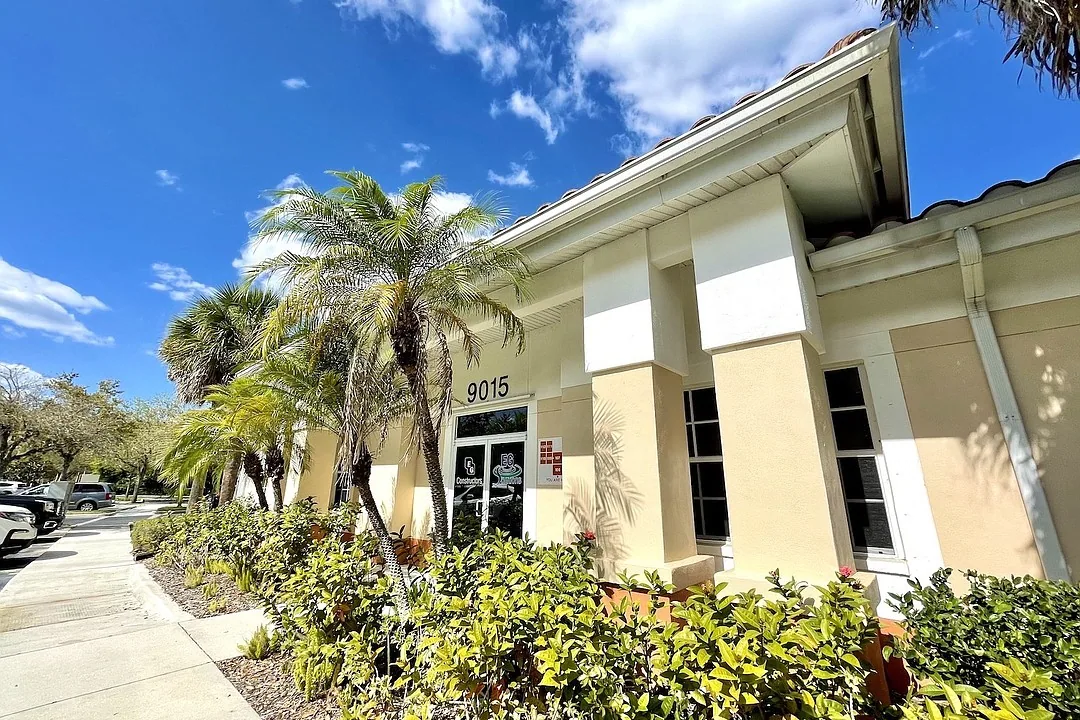
Commercial Roofing in Coral Springs University Drive Corridor, Coral Springs, FL
|
|
|
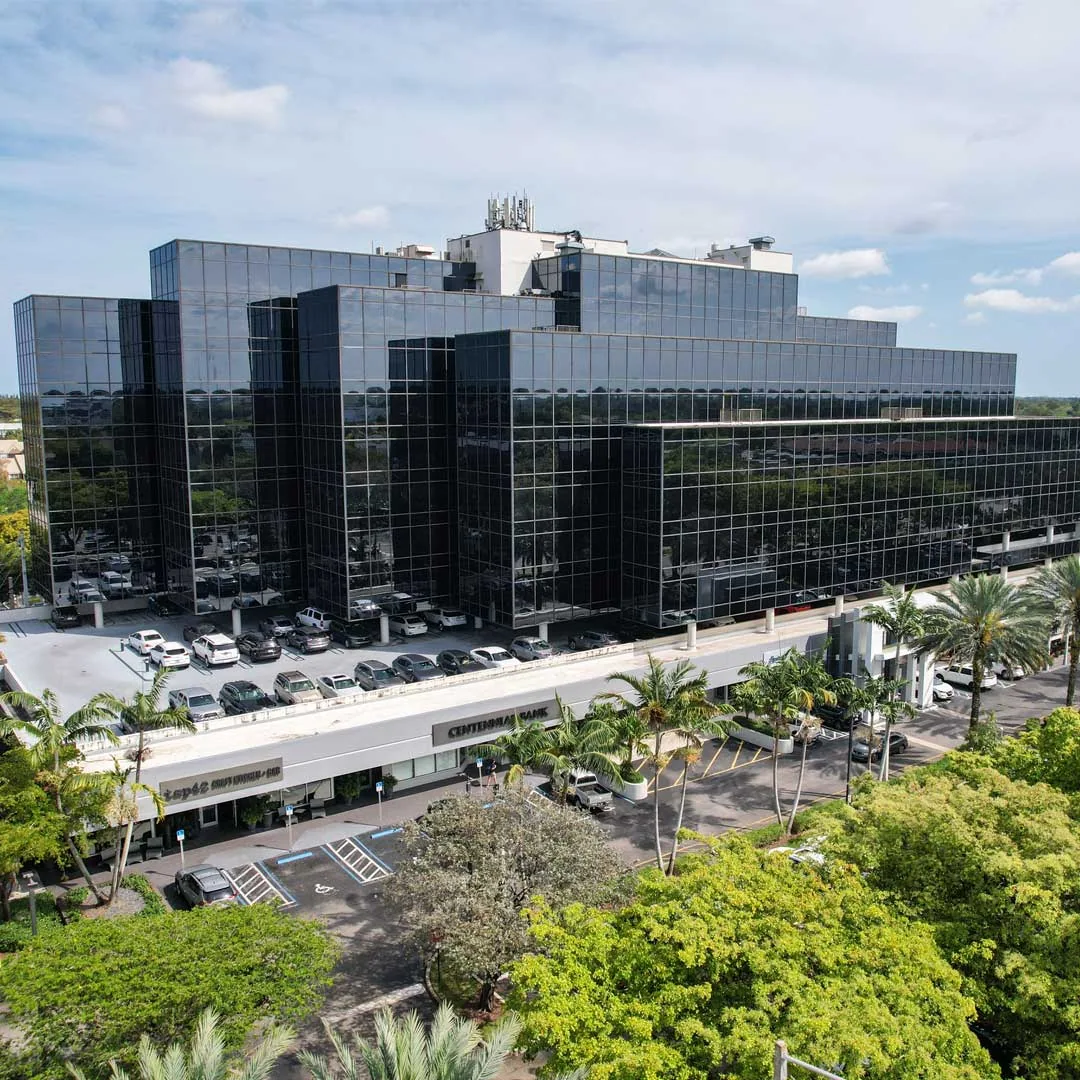
Service Areas: | | ● | Commercial Roofing at Coral Springs Commerce Park, Coral Springs, FL | ● | Commercial Roofing in Downtown Coral Springs, Coral Springs, FL | | ● | Commercial Roofing in Coral Springs Central Commercial District, Coral Springs, FL | ● | Commercial Roofing in Margate, FL | | ● | Commercial Roofing in Sunrise, FL | ● | Commercial Roofing in Coral Springs Commercial Districts, Coral Springs, FL | | View All Service Areas |
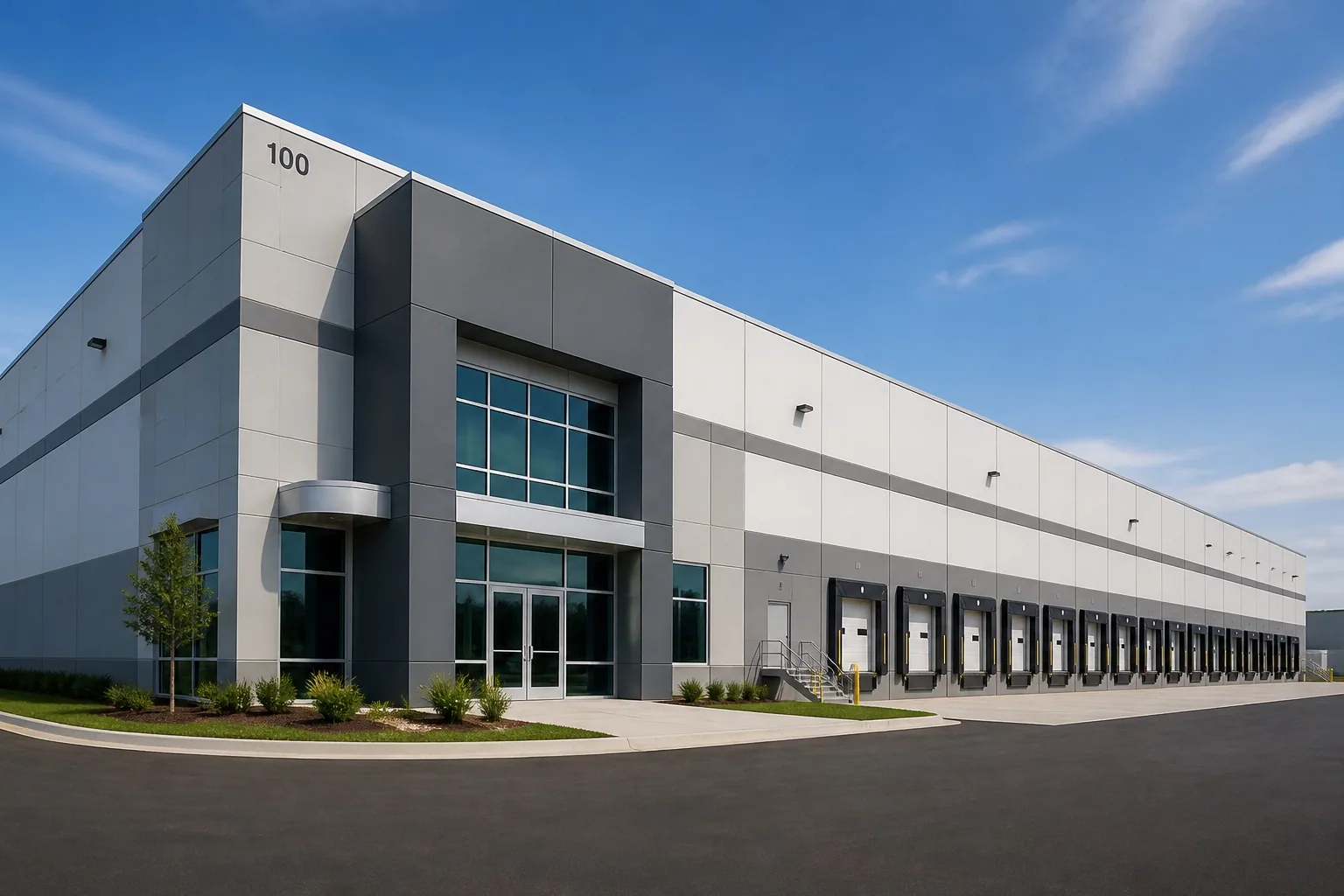
| The downtown intersection of Sample Road and University Drive connects with commercial stops farther along Coral Springs’ shuttle route. That street network contains multiple buildings with separate roof records and operating needs. We identify the specific property, inspect the assembly and trace the water path, then document which seams, flashings, curbs or outlets support the recommended next step. The Coral Springs community shuttle serves commercial stops at University Drive intersections, including Westview Drive and Wiles Road. University Drive also meets Sample Road at the Downtown redevelopment core. These route facts help locate the broader area, but they do not establish roof type, customer volume or access at a particular address. Eligible retail, office, manufacturing and industrial properties may also use the city’s exterior-improvement program; roof work still follows the assembly and condition observed at the building. |
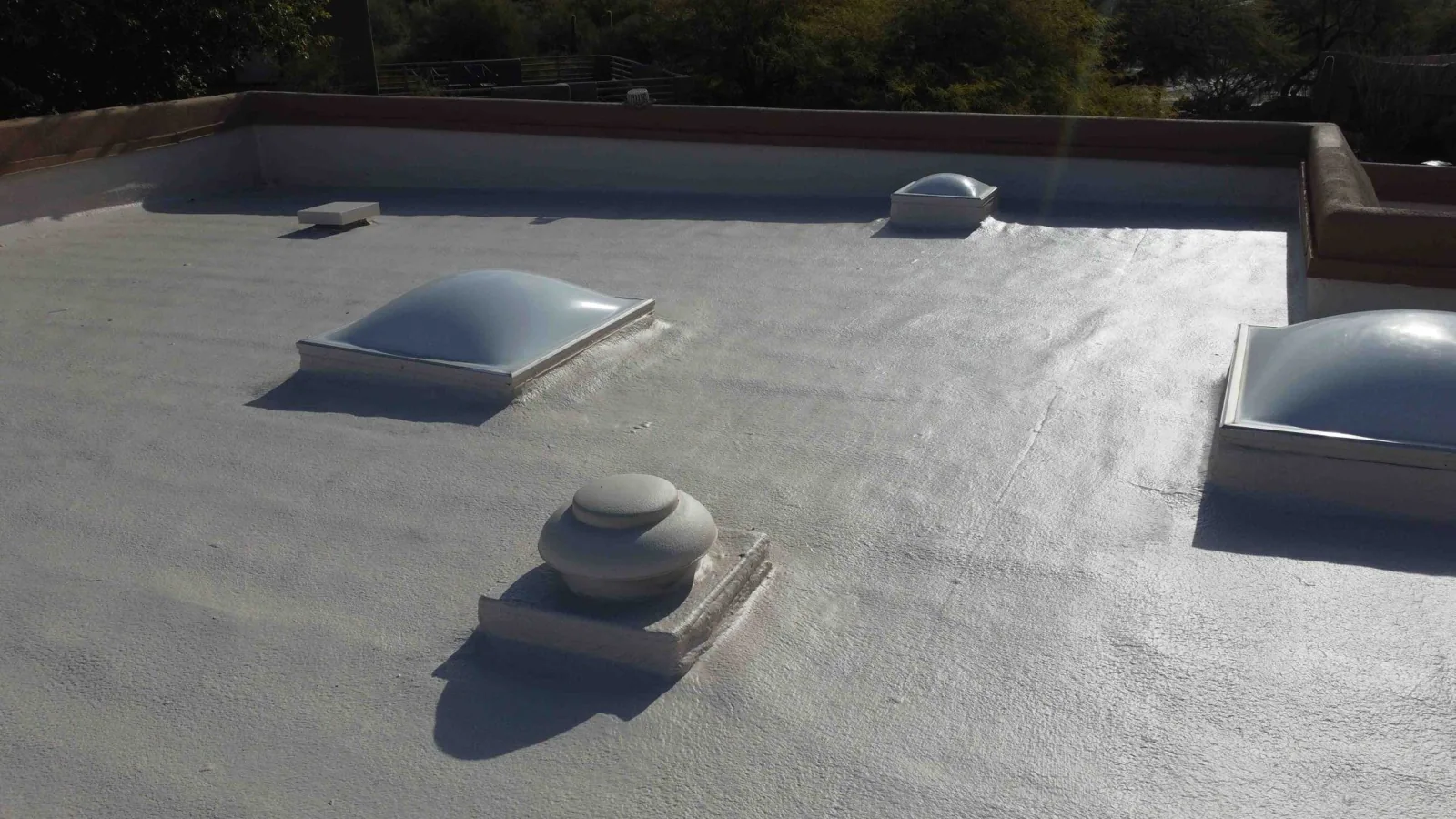
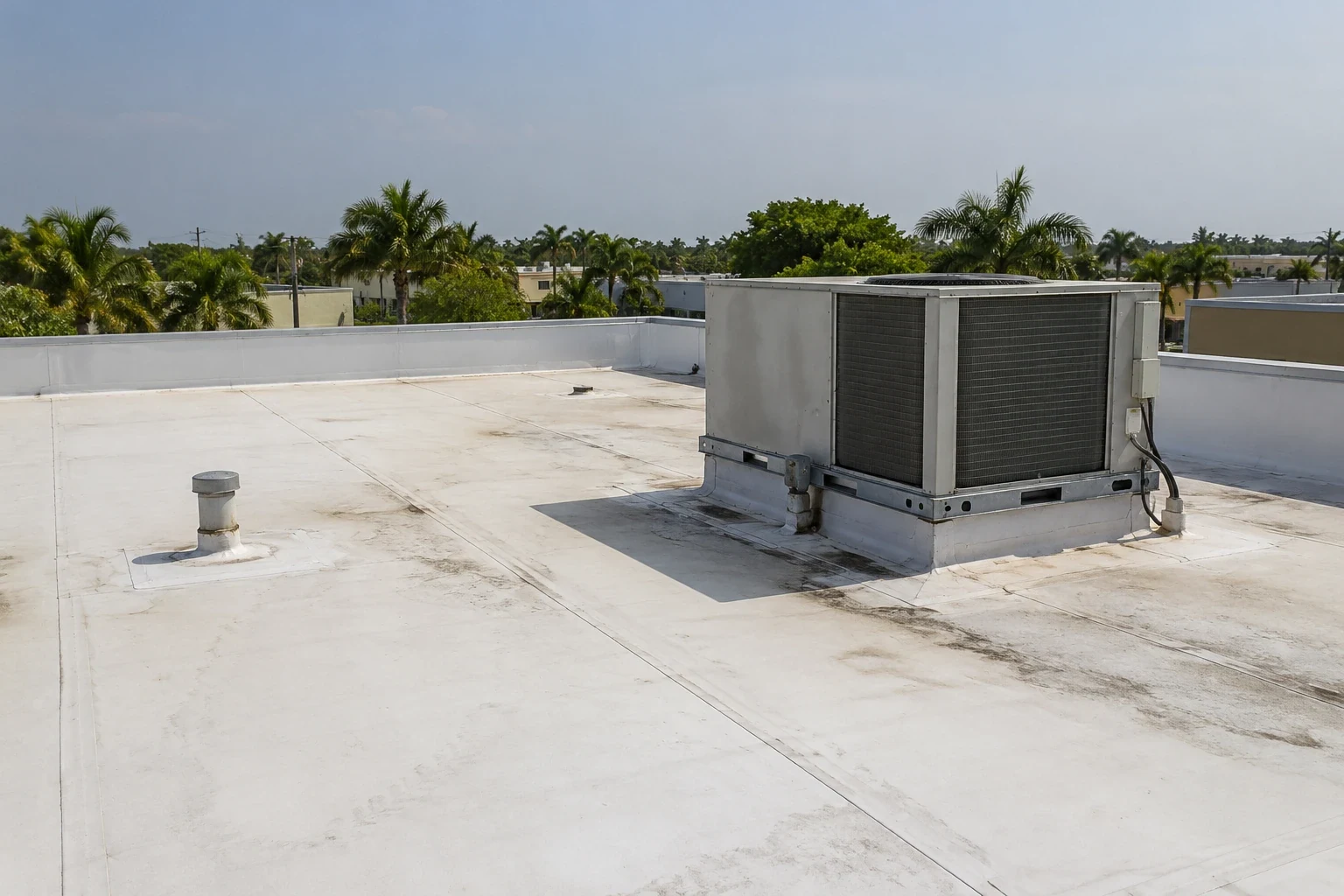
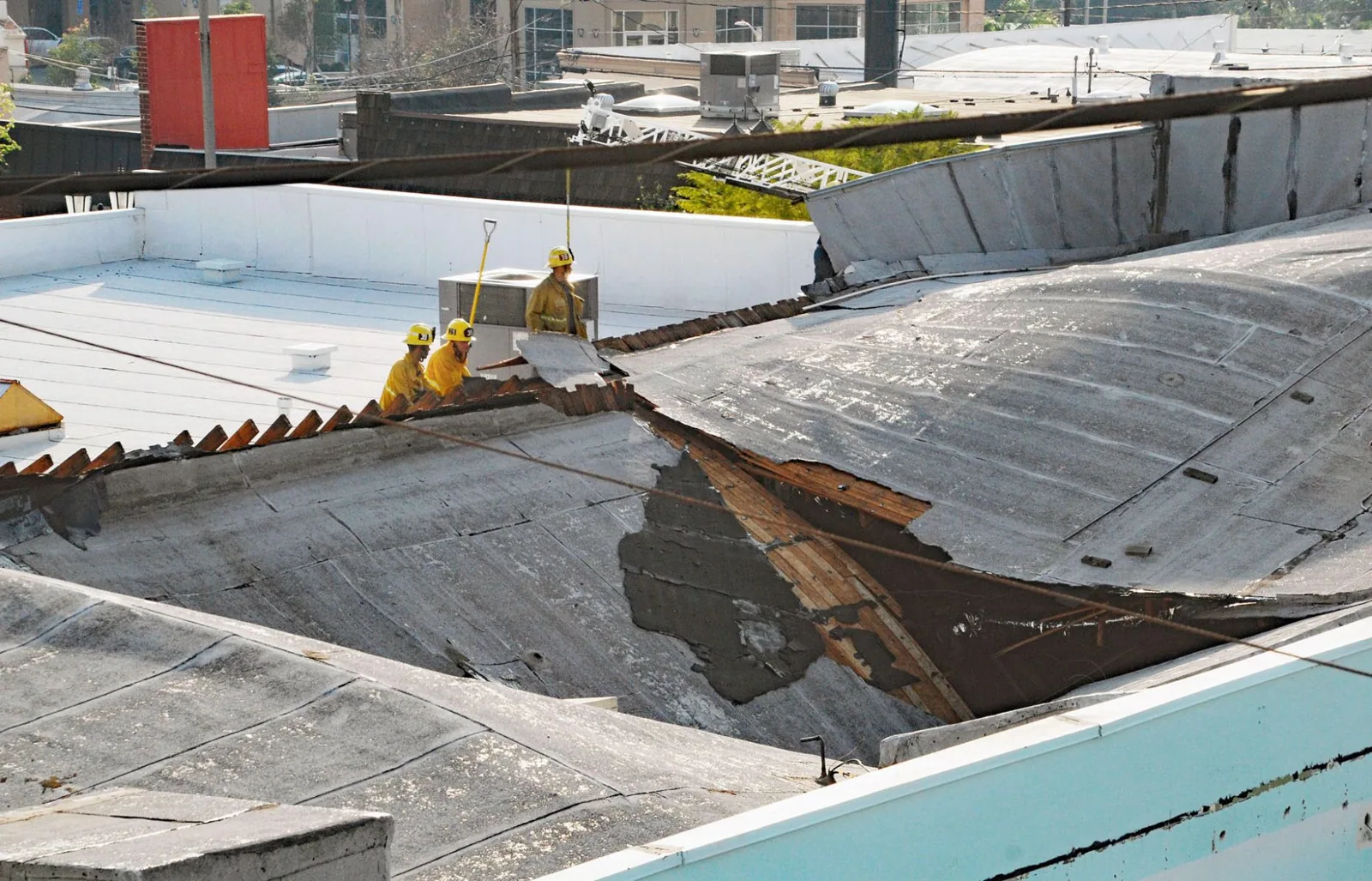
Check the membrane where details meet | On the roof, we follow the water path from the reported interior location toward seams, edge metal, curb flashing and drains. A visible stain can be offset from the entry point, so we look for wet insulation indicators, disturbed laps, open transitions and prior patches that may have changed the path. We photograph each concern and mark whether it is active, weathered or uncertain. The written record distinguishes what the crew can verify from a condition that requires opening the assembly. Drainage is checked separately from the membrane field. We lift accessible strainers, inspect drain bowls and nearby clamping rings, and look for debris, standing-water residue or a low area that holds water after rain. If the drain is clear but ponding remains, the surface condition may need more investigation. A documented roof inspection can help the owner choose between maintenance, a focused repair and a broader evaluation. For active entry, immediate protection can be followed by a permanent repair after the wet area and nearby details are reviewed. A leak repair should address the verified path and restore compatible layers. If multiple roof zones show moisture or repeated failure, we explain why a single patch may not settle the issue. The proposal can list urgent water control separately from the longer-term correction so the owner can authorize the work in a clear order. |
Set access before moving materials | Westview Drive and University Drive identify the intersection, but the property’s delivery route and roof entrance still need confirmation. Before mobilization, the site contact identifies a gate, ladder or roof hatch, receiving hours, tenant entrances and any pedestrian path that cannot be blocked. We agree on staging and debris removal so material does not cross an unapproved area. The route also determines how much can be carried at a time and whether a lift or other equipment is appropriate. Repair work can often be limited to a small zone. Replacement or recovery uses more materials and may require separate delivery, removal and disposal windows. We compare continuous work with a phased schedule after reviewing roof condition and access. Phasing can protect day-to-day operation, but return mobilizations and temporary transitions affect timing. Those items are stated in the plan before the property team decides how to sequence the work. Where an occupied property must remain accessible, reroof scheduling for an active building defines work hours, entrances, housekeeping and the daily close-in point. If the site has an access change or route restriction, the contact can flag it before delivery. We keep crews and materials inside the approved route and confirm the roof is secure before ending a shift. |
Match the method to the roof condition | A defect confined to one lap or penetration can be rebuilt when adjacent membrane is still serviceable. We clean and prepare the tie-in, replace failed flashing and test the completed transition. If surrounding material has pulled away or moisture indicators continue outside the repair, the boundary must reflect that condition. The repair scope explains the observed edge of work. An added roof layer is only possible after confirming the deck, existing plies, drainage and attachment. We complete that check before offering a recover evaluation. A replacement becomes the stronger comparison when substrate correction or extensive drying is needed. We list labor drivers such as roof access, removal, insulation, flashing and phased mobilization, and identify concealed conditions that cannot be priced as confirmed until exposed. Liquid restoration also has prerequisites: dry material, stable attachment, prepared surface and details that can be sealed. We review adhesion and seam condition, then describe any repair or reinforcement that precedes application. The coating restoration scope should not conceal an unresolved leak or water beneath the membrane; if the base fails inspection, we return to repair or replacement. |
Plan close-in around heat and rain | Rainfall is concentrated in South Florida's extended wet season, and afternoon storm winds can change an open-roof plan. Summer heat also shortens comfortable work periods. We check the day’s forecast, stage dry material, and choose a boundary that can be made watertight before leaving. Tropical weather is most relevant in the late summer and early fall; when a system approaches, the property contact receives a revised work sequence. For a Coral Springs reroof, follow the 2023 Florida Building Code, 8th Edition, High Velocity Hurricane Zone criteria and section 2322.2.8 sheathing re-nailing requirement. We confirm the applicable permit process and approved assembly for the project address. During replacement, we verify the exposed substrate and record how edge, corner and penetration details connect to the deck. We do not continue preparation when the surface or forecast will not support a sound tie-in. Materials are protected, the active edge is secured and the contact is told what work remains. That protects the installed assembly and gives the next shift a clean starting point. |
Keep findings useful for the next visit | At closeout, we check repaired laps and penetrations, clear drains and remove debris from the agreed access path. The photos show completed work and any item outside the approved scope. If a follow-up is needed, we identify the roof zone and whether it calls for a repair, monitoring or a closer moisture check. A roof maintenance visit can track details between larger projects. When a manager oversees several buildings, each address receives its own roof record, including the assembly, access limits, work performed and follow-up items. Commercial shuttle stops serve separate locations around the city; roof condition still depends on the building inspection. To arrange work in the University Drive area, share the property address, roof entrance, active leak or storm timing and any receiving or tenant restriction. We will confirm an inspection sequence and return a scope tied to the assembly and access route. For a separate building along Coral Springs Drive or near Downtown Coral Springs, we confirm that roof access and work window independently. |
Commercial Roofing Questions | What should a manager send before requesting an inspection?Share the building location, interior symptom, timing, recent weather and any photos or past repair notes. Those details guide the roof walk, but field observations determine the final scope. Can you find a leak that appears away from the roof opening?Water can move beneath membrane or insulation before it reaches an interior surface. We compare the leak location with seams, curbs, penetrations and drainage, then mark the path supported by roof evidence. If needed, we identify a test area. What determines whether a recover can be installed?The current layers, deck, attachment and drainage must support another assembly. We verify those conditions before proposing recovery. Wet insulation, damaged deck or widespread separation can make replacement the better scope. How do you protect tenants during a repair?The site contact confirms entrances, delivery windows, staging and areas that must stay open. We keep the work boundary inside those limits, control debris and secure the roof at the end of the shift. Will summer rain change the work plan?It can. We limit the area opened to what can be protected and closed in the available window. If the forecast changes, we update the contact and adjust the day’s boundary before exposing more roof. |
Arrange a Shoppes of Magnolia roof walk | Share the property address, roof entrance, active leak or storm timing, and any tenant or delivery restriction. We will confirm access and document the conditions before setting the scope. Request a Roof Assessment 555-555-5555 |
|
|
REQUEST AN ASSESSMENT
 |