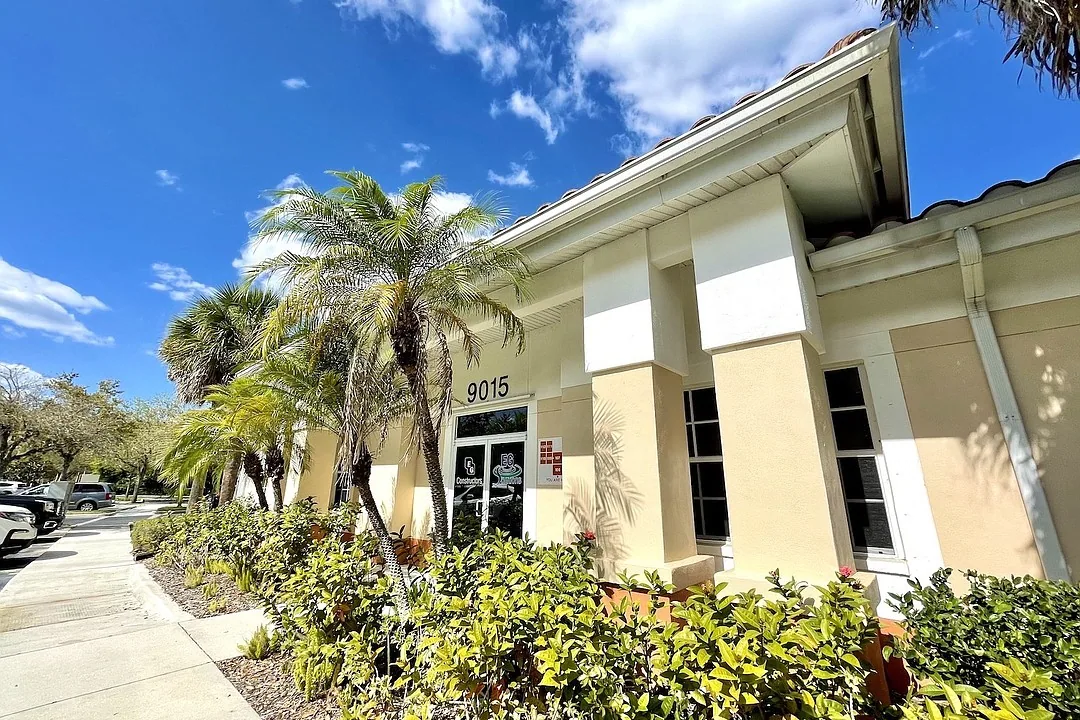
Commercial Roofing in Parkland Commercial Centers District, Parkland, FL
|
|
|
Service Areas: | | ● | Commercial Roofing at Coral Springs Commerce Park, Coral Springs, FL | ● | Commercial Roofing in Downtown Coral Springs, Coral Springs, FL | | ● | Commercial Roofing in Coral Springs Central Commercial District, Coral Springs, FL | ● | Commercial Roofing in Margate, FL | | ● | Commercial Roofing in Sunrise, FL | ● | Commercial Roofing in Coral Springs Commercial Districts, Coral Springs, FL | | View All Service Areas |
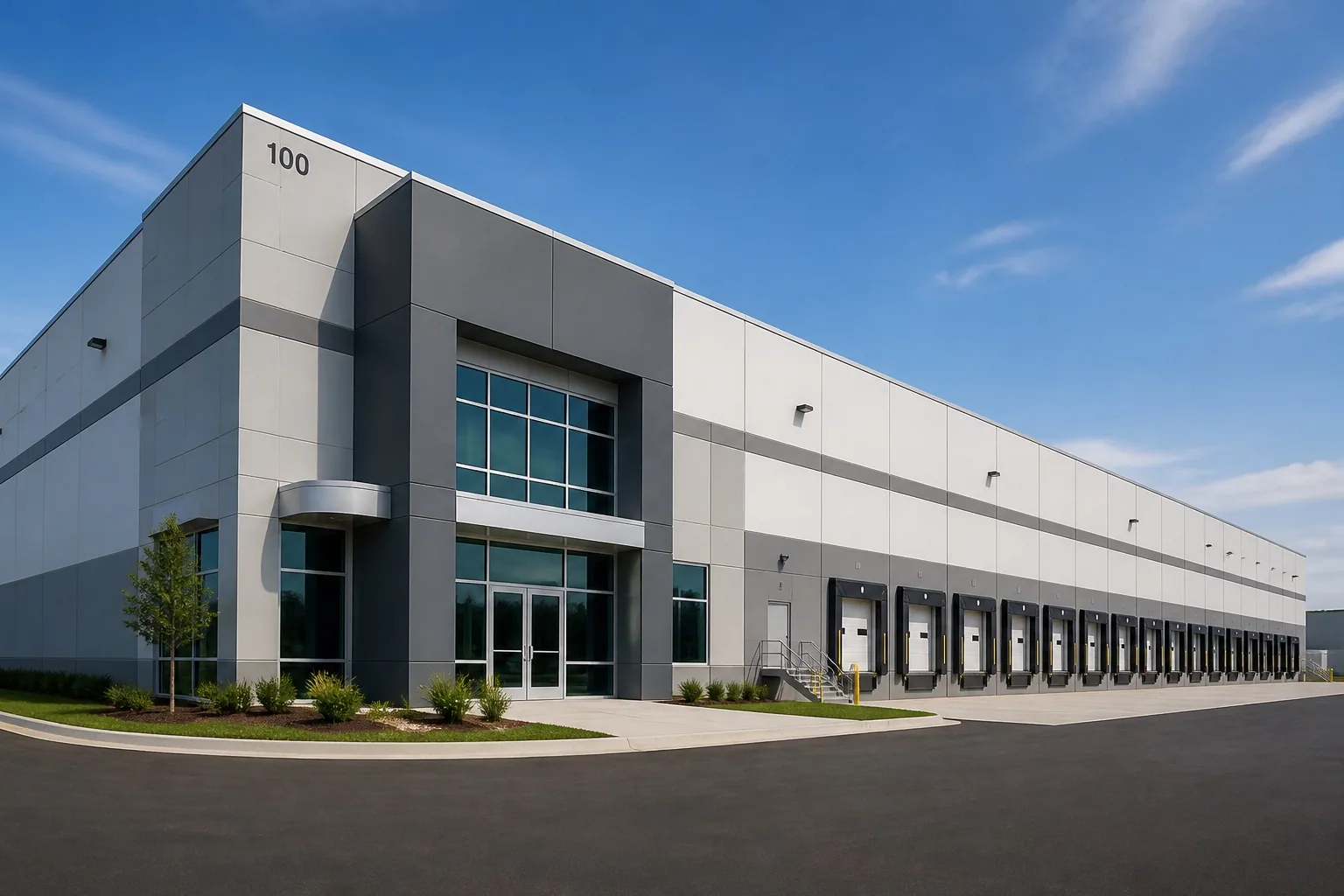
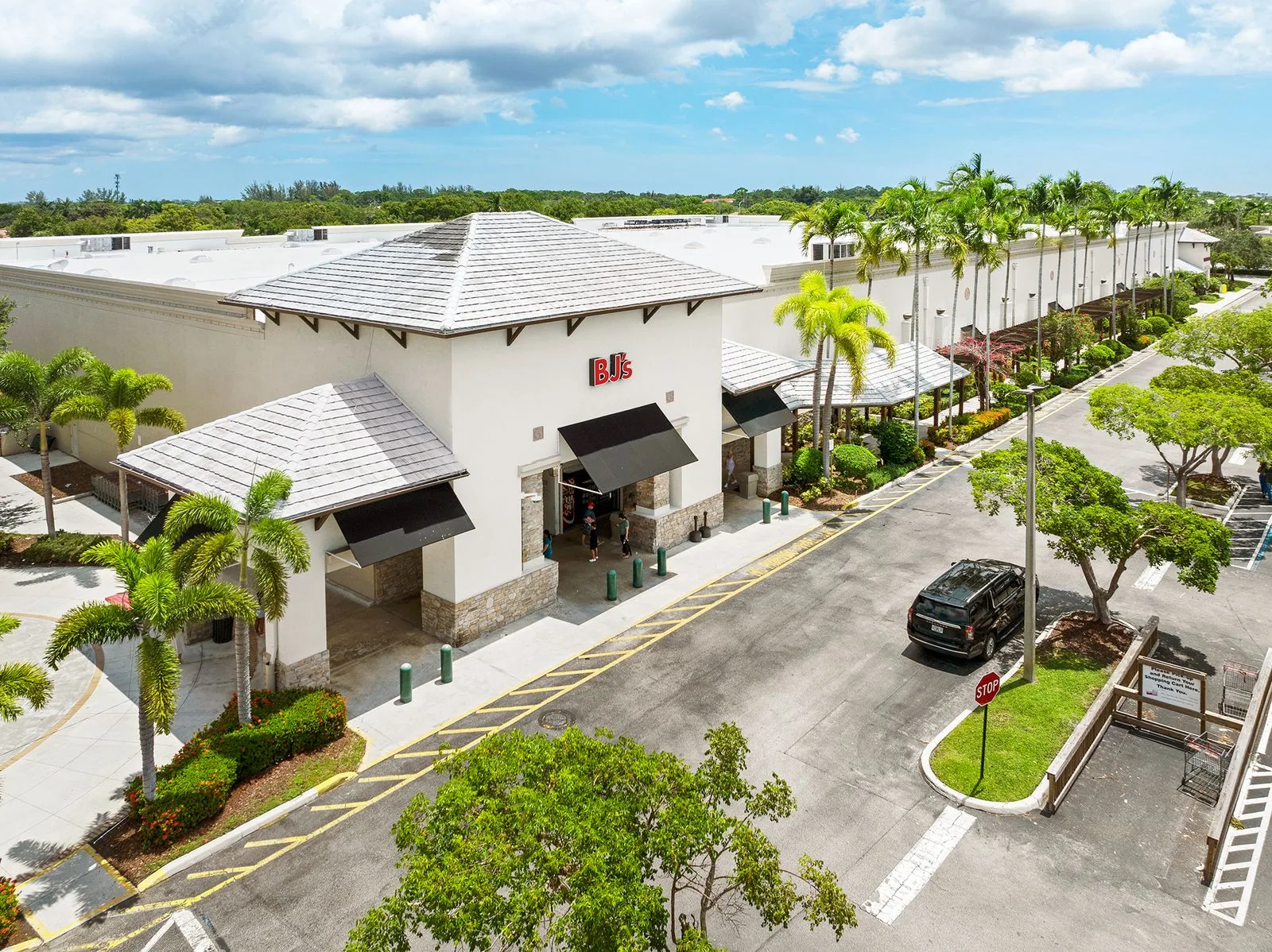
| Parkland has distinct commercial centers serving retail, restaurant, grocery and wholesale uses. These are separate properties with different roofs and operating schedules. Our inspection records the location and condition of the building under review, so a leak, repair or replacement recommendation stays connected to evidence from that roof rather than being generalized across the commercial district. Several tenants may share access drives or roof lines, but the field conditions still need to be checked at the building in question. We ask where material can be staged, which entrances must stay open and what hours fit deliveries or food service. The building contact supplies delivery windows, roof entry and work-hour approvals. Coral Springs is in a South Florida region with a long wet season and hot summer conditions. For an open repair, we plan a small work zone, temporary protection and a close-in point before rain or operations change the sequence. |
Map the service route before staging | The first walk begins with an address and an authorized entrance, not with an assumption about where trucks can stop. We confirm the service drive, loading limits, ladder or hatch access, lift position and any shared tenant route. At a center with restaurants and stores, the contact identifies active deliveries, public entrances and areas that cannot be blocked. We record the route from staging to the roof and plan debris removal before beginning work. These details affect labor and schedule because an approved repair still has to move safely through an operating site. Waterways Shoppes is one of Parkland’s separate commercial centers, but it does not set tenant hours or roof access controls. We verify those for the specific building. A roof inspection can document visible conditions and access limits, while phased work planning can define zones if removal is approved. Riverstone Shoppes is separately listed along North State Road 7; its property contact confirms its own access route. |
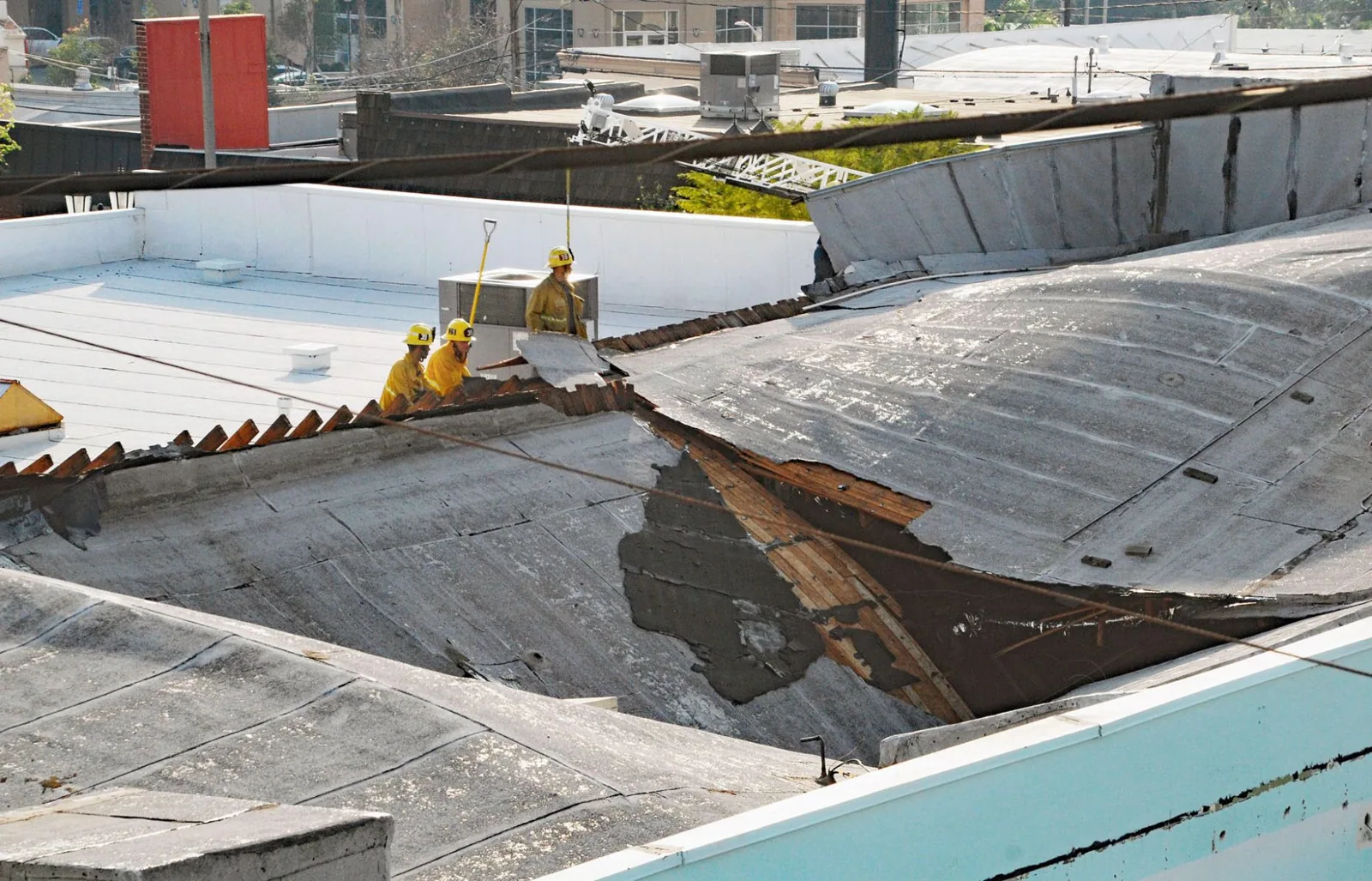
Follow water across seams and transitions | At the reported area, we inspect seam laps, wall flashing, curbs, penetrations, edge metal and outlets. Water may travel beneath a membrane or along a deck before it reaches a tenant ceiling, so the stain location is not treated as proof of the entry point. We compare the report with roof slope, prior patches and nearby details, then field-mark likely paths. If a seam is open but the substrate is sound, a local repair may fit. If adjacent material is wet or loose, the repair boundary needs more evidence. South Florida’s wet season brings heavy rain, so we inspect the drain bowl, strainer and overflow to confirm how this roof moves water. A leak investigation can follow the path to a supported source, and drain and scupper work can correct an observed outlet condition. If concealed moisture could change the repair, a selected test cut may verify the assembly at one location. We restore any opening after examination and record what it showed. |
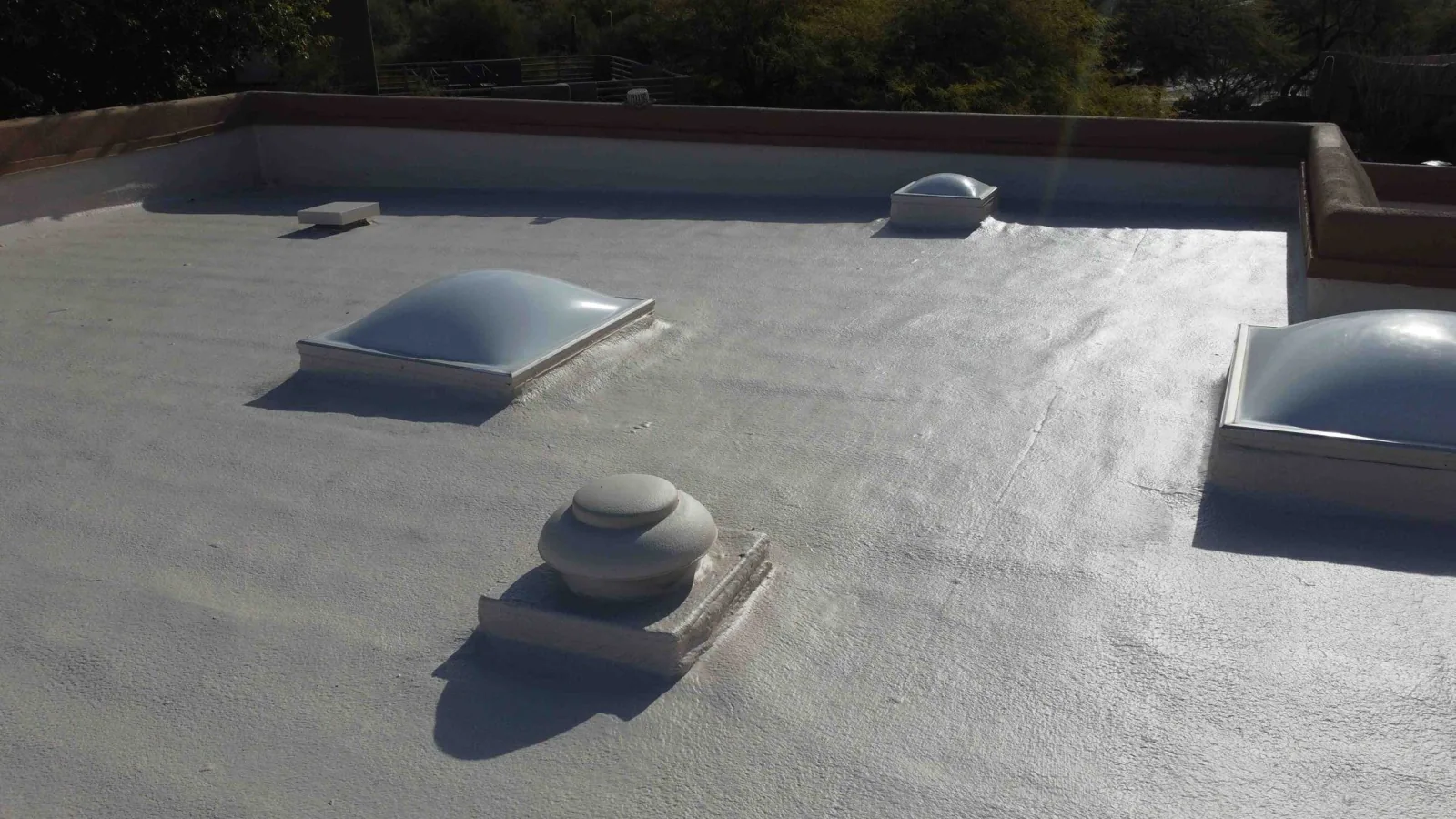
Match the repair to the existing surface | We identify the installed membrane and flashing materials before specifying a patch. A coating or sealant that does not bond with the surface may fail at the transition, even if it covers the visible split. We check substrate firmness, attachment, previous repair material and the connection at walls or equipment. When available records do not match what the roof shows, we pause and confirm the assembly. That step can prevent a repair method from being chosen on appearance alone. Before reroofing, we confirm the permit jurisdiction and approved assembly for the actual property. We compare the plans with visible details and exposed deck before specifying attachment or flashing work. Perimeter repair can address a loose termination; TPO seam work is appropriate only if that material is verified on the building. The estimate separates visible repairs from concealed conditions that could change after removal. |
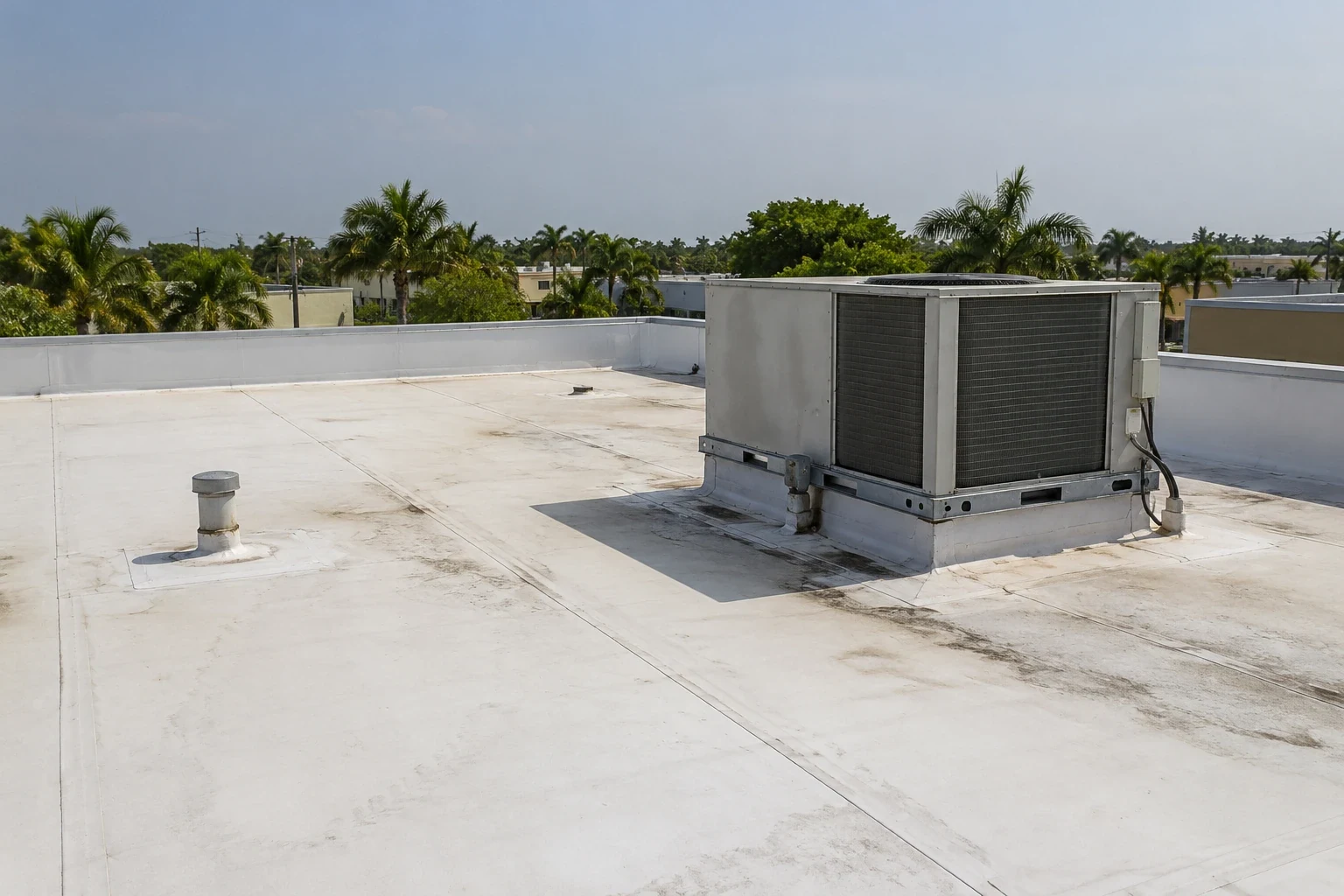
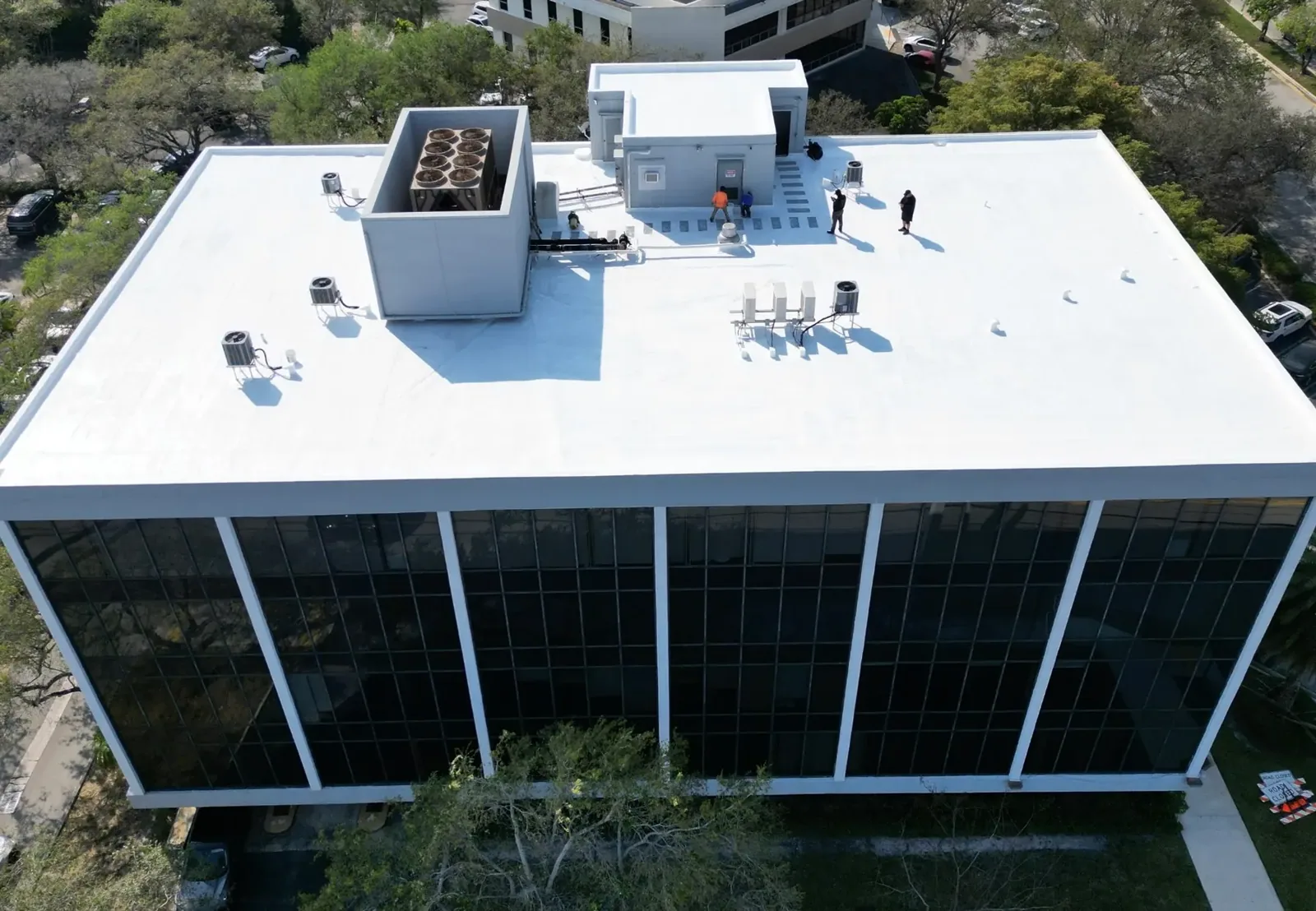
Compare a focused repair with broader work | A repair scope should show the roof zone, preparation, compatible material and detail to be rebuilt. We explain whether the surrounding membrane and substrate support a localized patch. Repeated openings, widespread wet insulation or failed attachment can change the comparison. A recover may be considered only if existing layers, moisture condition, drainage heights and code details permit it. Replacement can expose deck conditions, but it also requires a planned route for tear-off, material movement and daily close-in. Timing depends on access, weather and what inspection reveals after opening. Parkland’s distinct commercial centers include Shoppes of Parkland, Waterways Shoppes and Riverstone Shoppes. The directory provides area context, not roof access, tenant hours or construction details. We confirm the address and building contact for the property under review, then keep its condition record separate from findings at any other center. Restaurant exhaust, refrigeration lines and rooftop units create different inspection points, so label each one on the roof plan instead of grouping all penetrations together. Photograph the membrane around service routes and note any grease exposure near exhaust outlets. A repair scope should identify the affected tenant area and the water path it is meant to stop. |
Close each work zone around tenant activity | Before work begins, the site contact confirms tenant access, deliveries, roof entry and any equipment that must remain running. We agree on staging, lift placement and the section that can be opened and closed during the shift. If rain is forecast or begins while removal is underway, the crew protects the exposed assembly and closes the authorized area before moving on. When a concealed condition expands the work, we document it and seek direction before proceeding beyond the approved boundary. Coral Springs summer heat can affect crew exposure and material handling, while wet-season rain can interrupt preparation or application. We check day-of conditions and product requirements rather than assume the same window works for every roof. A photo condition report records completed zones, material and any limit or next question. After repair, a maintenance visit can recheck drains, edge metal and prior patches during the next service window. The owner leaves with a defined repair boundary, not an assumption that every building in the center was inspected. When the same manager schedules a roof visit along the University Drive commercial corridor or at another Parkland property, each building gets a separate access confirmation, roof-zone record and close-in plan. A shared center directory does not replace that site review. |
Commercial Roofing Questions | How do owners compare roof needs across several centers?Use a separate condition record for each building, including photos, repair history, drainage observations and recommended timing. We can then help sequence work without carrying one property’s findings onto another. How do you schedule work around restaurant deliveries?The building contact confirms delivery windows, entrances, staging and roof access. We put those limits into the sequence and keep material movement away from routes that must remain open. Can one test cut confirm the condition of every building?A test cut shows layers at its selected location. We explain why that point was opened and whether more evidence is needed before carrying a finding to another roof area. When should I compare repair with replacement?Repeated failures, wet materials, attachment issues or defects across multiple zones can change the scope. We document those observations, then compare the options against access and operating limits. What will the closeout show?The record identifies the address, roof zone, repair, photos, materials and any concealed condition or access limit. It also notes what remains for another visit or owner decision. |
Arrange a Waterways Shoppes roof walk | Share the building address, site contact, tenant delivery and access rules, leak or storm date, and available roof records. We will confirm the inspection route and work limits. Request a Roof Assessment 555-555-5555 |
|
|
REQUEST AN ASSESSMENT
 |