Commercial Roofing for Insurance Restoration in Coral Springs, FL
|
|
|
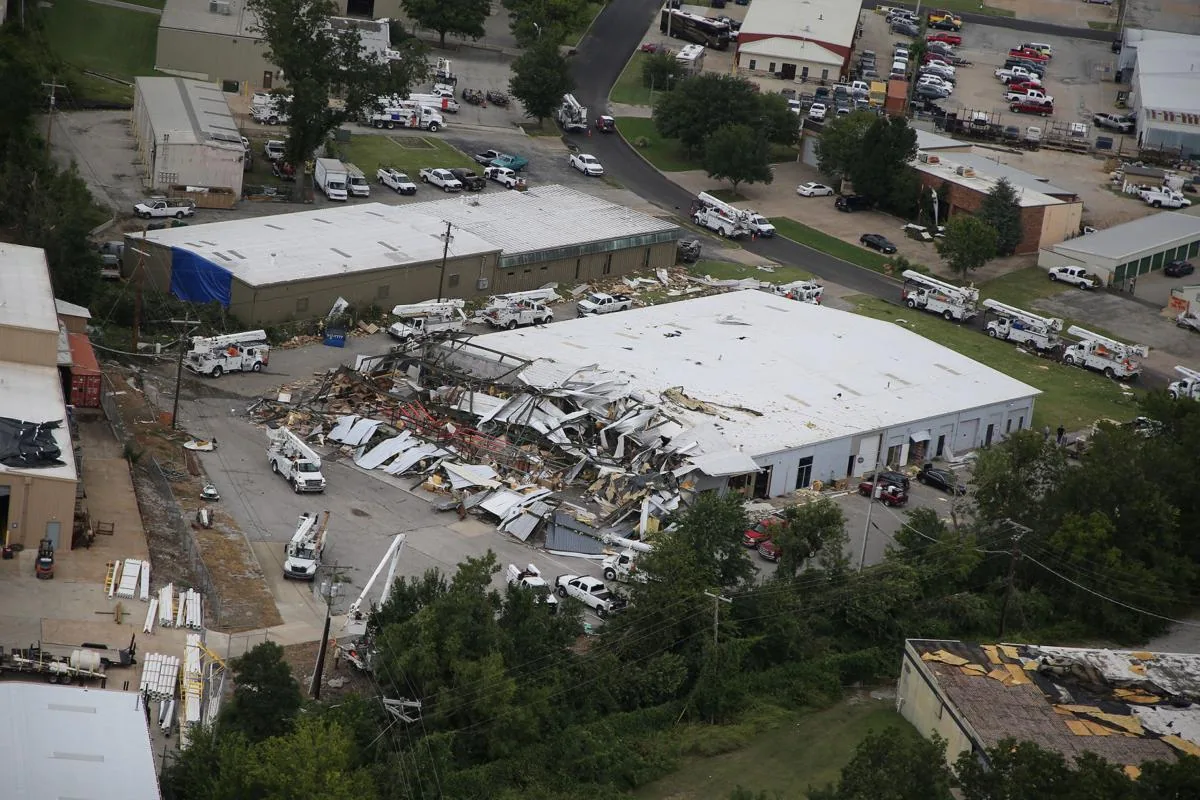
| A wind-lifted edge can expose insulation before a ceiling leak appears. We secure the reported area when access allows, photograph the roof condition and trace the visible damage into adjacent seams, fasteners and flashing. A restoration file needs a clear separation between what the crew observed, what was opened and what still requires approval. We identify the property, date of inspection, roof zone and temporary work so the owner, adjuster and restoration team can review the same condition. In South Florida, the long wet season brings intense rain, flood risk and hail or wind reports, especially in the May-through-August severe-weather period. Tropical systems can affect the region during August, September and October. Coral Springs Commerce Park and Coral Square Mall are distinct commercial settings in the local market; storm exposure and building use do not establish damage at either property. We inspect the actual address and document the observed result. |
Protect the opening and preserve evidence | When water is entering, the first scope may be temporary protection. We mark the exposed edge, secure a compatible cover or tie-in where conditions permit and photograph the area before and after the work. The property contact confirms interior protection, access and any operating restriction. Temporary materials are described separately from permanent repair so the file records what was done to limit exposure and what remains to restore the roof assembly. Near Coral Springs, heavy rain can complicate both roof access and close-in timing. The crew identifies the protected zone and any area that could not be reached. Emergency roof response can address an active opening; a documented inspection can describe surrounding seams, drains and perimeter details. Storm-damage repair follows the conditions observed at the property rather than a regional event label alone. |
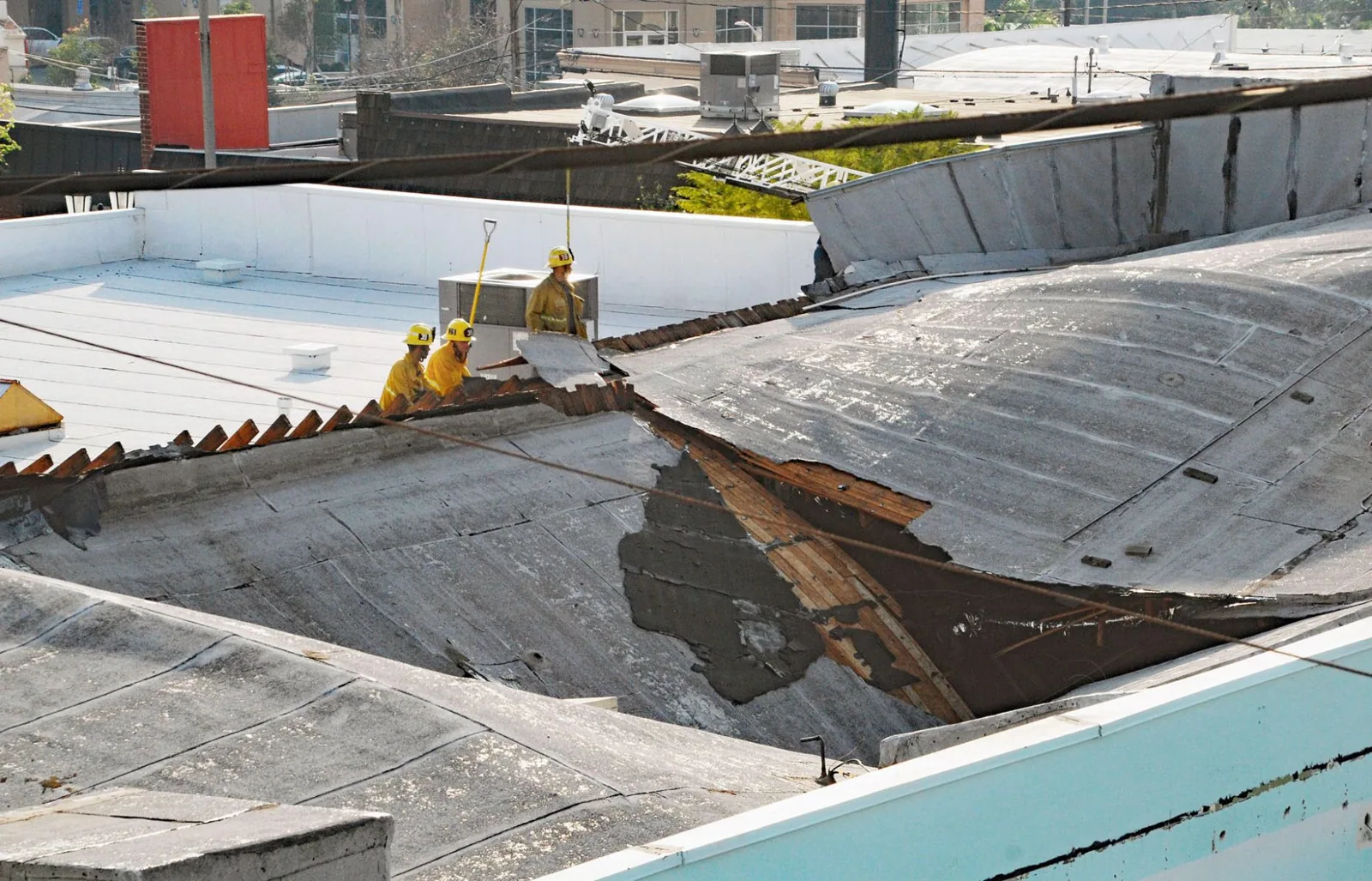
Map the damage by roof zone | We compare the reported interior condition with accessible roof surfaces and note the path from each visible opening. Photos show displaced edge metal, punctures, split seams, damaged penetrations or debris impact where found. We record measurements and roof zones when access permits, and note any surface hidden by equipment, standing water or restricted entry. A stained ceiling can help locate the investigation, but it does not by itself prove which roof component failed. South Florida storm reports include hail, tornadoes and severe thunderstorm winds, but the event record must be connected to property-level observations. Infrared moisture review may help identify concealed wet areas when assembly conditions support the method. A photo condition report can organize the observed damage, test areas and limitations. We label any suspected condition separately from a confirmed opening or wet layer. |
Compare the roof with repair history | The installed roof system affects how damage is evaluated and repaired. We identify visible membrane layers, metal panels, seams, fasteners, edge details and past patches, then compare the condition with available plans and maintenance records. A storm can affect one transition while older deterioration remains elsewhere. We document both observations by location and avoid combining pre-existing wear with a new opening unless field evidence supports the connection. If storm repair expands into a reroof, the approved project must address Florida's 2023 code edition and Broward's high-velocity wind criteria. A permitted reroof also calls for roof-deck fastening work under section 2322.2.8; distinguish it from storm repairs that do not open the deck. We record those scope details separately from observed storm damage. The approved permit and project scope determine required details. Restoration contractors can coordinate trade access and sequencing; property managers can connect the inspection to tenant reports and maintenance history. The site record should identify the actual assembly and repair performed. |
Separate emergency work from permanent repair | A temporary cover controls current exposure; it does not complete a permanent roof repair. The written scope describes materials removed, new material installed, edge or seam preparation, affected area and close-in condition. If a test opening reveals wet insulation or a damaged deck, we photograph the exposed layers and request direction before increasing the scope. The file can distinguish emergency mitigation, repair work, additional investigation and replacement evaluation. For a limited puncture or seam opening, a localized repair may restore the affected detail. If several roof zones show impact or underlying deterioration, replacement may need a separate comparison. Coral Springs' code and permit requirements apply to the approved work scope, not to every damage report in the same way. We provide field observations and repair documentation; the insurer and property owner handle coverage and claim decisions. |
Keep dates and work stages clear | The file records the reported event date separately from the inspection date and each repair visit. We photograph conditions before temporary protection, after mitigation and after permanent work where access permits. Notes identify weather interruption, unavailable areas, materials used and who approved a scope change. That timeline lets the reviewer follow which condition was present at each stage without treating an estimate as proof that work was completed. At a commercial property near the Sawgrass Expressway or within Downtown Coral Springs, local address and access details help the crew return to the correct roof zone. South Florida storms may interrupt work, so each visit records the close-in status. The contact confirms that barriers can be removed and the site returned to normal use. If another opening appears, we document it as a new observation and compare it with the prior repair record. A chronological work record separates the first observation, emergency protection, inspection, test opening, approved change and permanent repair. We date each entry and attach it to a roof zone, so the owner can follow how the scope developed. Photos should identify whether material is before or after stabilization and show any layer exposed during removal. This sequence helps an adjuster compare submitted documents without confusing temporary protection with completed repair or a proposed quantity with installed work. |
Deliver a traceable roof record | Closeout includes the inspected and repaired areas, dated photographs, visible material conditions, work performed and any access limits. We note whether the temporary measure was removed, replaced or left in place pending approval. Recommendations for further testing or broader work remain separate from completed repairs. This gives the owner and restoration team a concise record for the property file and a defined basis for the next inspection or repair. Coral Springs Commerce Park and Coral Square Mall place different commercial uses within the local area, while each claim file belongs to one address and roof assembly. Send the event date, property contact, prior photos, leak location, roof plans and any emergency work already performed. We can inspect accessible areas, document what is visible and prepare a repair scope tied to the observed condition. |
Commercial Roofing Questions | Can you prepare photos and findings for a commercial roof claim?Yes. We can document dated conditions, roof-zone locations, visible damage, access limits and work performed, with suspected or concealed conditions labeled separately. Does a storm report prove a specific roof was damaged?No. The property needs an inspection. We compare the reported event and interior condition with visible roof evidence at the address. How do you record temporary roof protection?We photograph the area before and after mitigation, describe materials and limits, and note what permanent repair remains to be completed. Will your report decide whether a claim is covered?Our report describes roof conditions and roofing work. Coverage and claim decisions are made by the insurer and property owner. What should be available for the inspection?Provide the property address, reported event date, leak location, prior repair records, roof plans, access contact and any mitigation already completed. |
Document Coral Springs storm roof damage | Share the property address, reported event date, leak location, previous photos and access instructions. We can inspect accessible details, protect an active opening and prepare a repair record. Request a Roof Assessment 555-555-5555 |
|
|
REQUEST AN ASSESSMENT
 |